
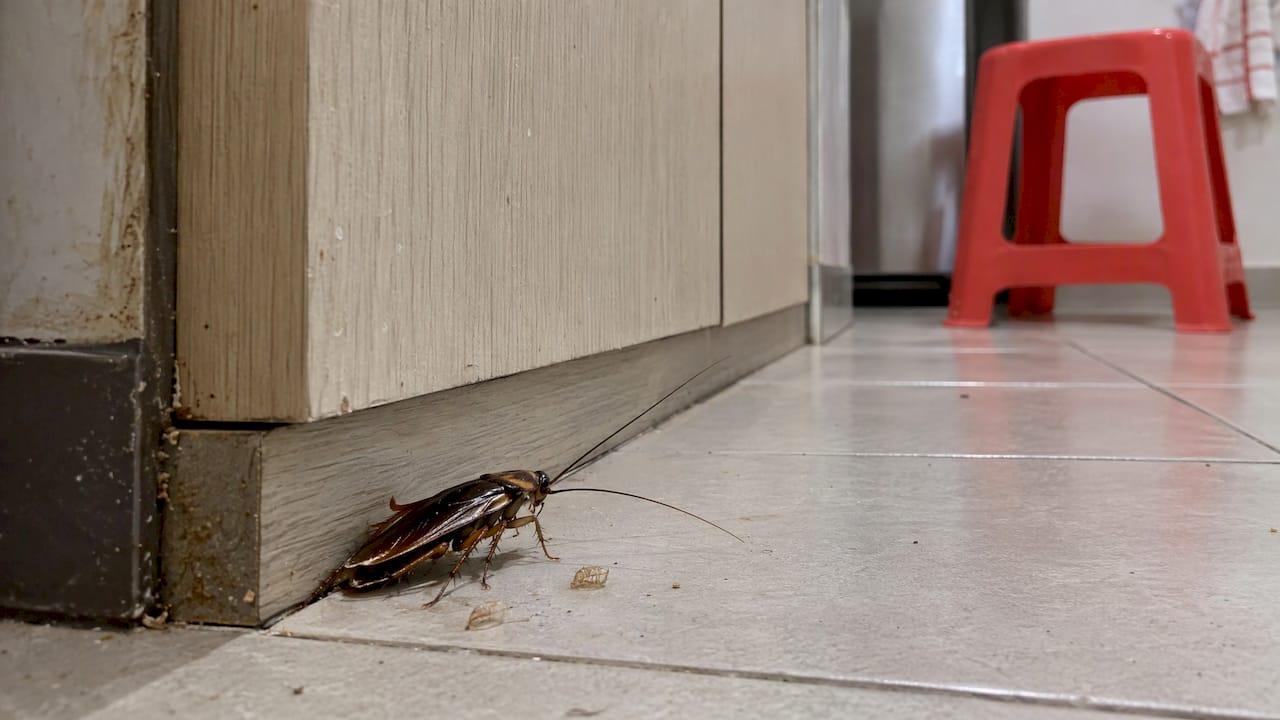
Cockroach allergy usually looks like a year-round cold: sneezing, a runny or blocked nose, itchy or watery eyes and a cough. In people with asthma it can also bring wheeze, chest tightness and night-time symptoms. The allergen comes from cockroach saliva, droppings and body parts, so the lasting fix is to remove the cockroaches and the dust they leave behind. Our general pest control service is built around that goal, using non-toxic, integrated pest management (IPM) methods that are safe for people and pets.
TL;DR
- Typical symptoms: sneezing, runny or stuffy nose, itchy red eyes, itchy throat, postnasal drip, cough and sometimes skin rash.
- With asthma, watch for wheeze, chest tightness, shortness of breath and waking at night.
- A 2026 study of young adults in Singapore and Malaysia found cockroach sensitization in 23.1% of participants.
- Allergens sit in dust, so kitchens, storerooms and bedrooms matter, and even dead cockroaches can trigger symptoms.
- See a doctor for testing and treatment. Remove the source with professional IPM pest control and good housekeeping.
Table of Contents
- Cockroach allergy symptoms
- Cockroach allergy and asthma
- What the Singapore evidence shows
- Where cockroach allergens collect at home
- Getting a diagnosis
- Reducing allergens at home
- Why professional cockroach control helps allergy sufferers
- Book cockroach control for your home or business
- Our perspective
- FAQ
- Sources
Cockroach allergy symptoms
An allergy means your immune system overreacts to a harmless substance. For cockroaches, the triggers are proteins in their saliva, waste, eggs, shed skins and body parts. The Asthma and Allergy Foundation of America (AAFA) lists the common symptoms of cockroach allergy as:
- Sneezing and a runny nose
- Stuffy nose and postnasal drip
- Itchy, red or watery eyes
- Itchy nose, mouth or throat
- Cough
- Itchy skin or rash
- Ear or sinus infections
Because these overlap with dust mite allergy and colds, many people do not suspect cockroaches. A clue is that symptoms continue all year and are worse at home, especially in the kitchen or bedroom.
Skin and food-related reactions
Skin rash and itching can occur. Some people allergic to cockroach also react to shellfish such as shrimp, because the allergens are similar. Thermo Fisher's fact sheet describes itchy mouth, hives and a scratchy throat in these cases. If you notice this after eating crustaceans, mention it to your doctor.
Cockroach allergy and asthma
For people with asthma, cockroach allergen can trigger attacks. AAFA describes the asthma signs as shortness of breath, cough, chest tightness or pain, wheeze, waking at night with symptoms and a drop in peak flow meter readings (a handheld test of how fast you can breathe out).
The risk is greater in children. A 2025 review reports that home cockroach exposure in children with asthma is linked to reduced lung function and more hospitalizations. The research also found that measures such as baiting, removing food and sealing entry points generally lower allergen levels in the home.
The College of Family Physicians Singapore says that for any asthma patient, reducing exposure to allergens is essential, and that taking more medication is not a substitute for avoiding the trigger.
What the Singapore evidence shows
Cockroach allergy is common here. A 2026 study of 5,350 young adults from Singapore and Malaysia found 23.1% were sensitized to cockroach, and 19.7% were sensitized to both house dust mite and cockroach. Sensitization means the immune system has produced antibodies to the allergen. The study linked cockroach sensitization to higher odds of:
| Condition | Odds ratio |
|---|---|
| Asthma | 1.59 |
| Allergic rhinitis | 1.42 |
| Atopic dermatitis (eczema) | 1.55 |
| Several allergic conditions together | 1.91 |
An odds ratio above 1 means the condition is more likely in sensitized people. Those who were sensitized to both mites and cockroaches carried extra risk compared with mites alone.
Allergic rhinitis is also common among Singapore children. SingHealth states that about one in two children here has it, and that it is more often year-round than seasonal.

Where cockroach allergens collect at home
Cockroach allergens are heavy. They settle in dust on surfaces and become airborne mainly when disturbed by sweeping or vacuuming, according to Verywell Health. Three points matter for your home:
- Kitchens and storerooms. A Singapore study of dust from homes and other buildings found the German cockroach allergen Bla g 1 concentrated mainly in storerooms and kitchens within homes. The study is from 1997, but the pattern fits how cockroaches seek food, water and shelter.
- Bedrooms. The American Lung Association notes that allergen levels are highest where food and water are available, but bedroom exposure may matter more because you spend hours close to bedding.
- Homes that look clean. The same source says one in five homes with no history of infestation still has significant cockroach allergen in dust and fabrics. Dead cockroaches also remain allergenic.
SingHealth's paediatric team adds that there is no link between how clean a house looks and its allergy triggers, so a spotless kitchen does not rule out allergen.
Getting a diagnosis
Symptoms alone cannot confirm which allergen is responsible. The National University Hospital system describes skin prick testing on the forearm, which is usually well tolerated even in young children, with results in 20 minutes. Blood tests are used when skin conditions or medicines interfere with skin testing.
A positive test is read together with your history. AAFA explains that a positive skin test alone does not prove an allergy; the specialist checks whether your symptoms match. A Singapore paediatric allergy clinic advises that children avoid antihistamine-containing cough or runny-nose medicines for five days before a skin test, so ask the clinic for its instructions.
NUHS notes that treatment of allergic rhinitis starts with allergen avoidance plus nasal steroids and antihistamines, with immunotherapy for those who do not respond. Early treatment of rhinitis can also reduce the chance of developing allergic asthma, and many patients wait until symptoms are severe.
When to seek urgent care
Severe reactions to cockroach are rare. Seek emergency care immediately for swelling of the throat or tongue, difficulty breathing, widespread hives, vomiting or diarrhea with dizziness, or fainting, all listed as anaphylaxis signs. Also see a doctor if asthma symptoms worsen or you wake at night wheezing.
For a stuffy nose that persists despite standard nasal sprays, NHG Health advises seeing an ENT specialist, particularly with red flags such as a blocked nose on one side only, blood-stained mucus, facial numbness or reduced vision.
Reducing allergens at home
Medicine eases symptoms, but the allergen source stays unless you deal with it. Singapore's family physicians recommend removing garbage and food waste promptly, clearing cockroach debris quickly, and controlling cockroaches with baited traps. They also suggest fewer carpets and upholstered furnishings.
SingHealth's home measures for allergic triggers add:
- Wash sheets and pillowcases weekly in water above 60°C.
- Keep clothes and books in closed cupboards.
- Damp-dust instead of using feather dusters.
- Vacuum regularly with a HEPA filter, or mop.
- Keep carpets and pets out of the bedroom.
- Clean air-conditioners regularly.
The American Lung Association suggests not leaving food and water out, reducing humidity and using low-toxicity IPM. It also advises that a person with cockroach allergy should not vacuum, or stay in the room while carpets are cleaned, because it stirs up allergen.
For HDB flats, our guide on preventing cockroaches in HDB homes covers entry points such as drains and pipe gaps. Our IPM guide explains how inspection, sanitation, proofing and targeted treatment work together.
Pets, children and pregnancy
Homes with allergic children, pets or an expecting parent need treatments that keep people safe. Read our guides on pest control around pets and on pest control during pregnancy. Anyone with asthma should check with their doctor about being out of the home during treatment.
Why professional cockroach control helps allergy sufferers
Allergen control has two parts: stop new cockroaches and clear what they leave behind. The first is a pest problem that needs inspection to find where they live and enter. We use advanced technology such as thermal imaging for inspections. Our technicians are NEA-licensed and use non-toxic, environmentally safe methods that prioritize people and pets.

The second part is housekeeping, which you can do alongside treatment: damp wiping, washing bedding, sealing food and fixing leaks. For businesses and property managers, the same approach applies to kitchens, storerooms and common areas, where staff or residents with asthma may be affected.
Book cockroach control for your home or business
If you see droppings, smear marks or live cockroaches, or your symptoms follow you around your home, our team can inspect and treat the cause. We serve homes, offices, industrial sites and construction sites in Singapore, and we are available 24/7.

Start with our general pest control services, or contact us through our website to arrange an inspection.
Our perspective
Allergy is a health problem that begins as a pest problem. Medication can calm the nose and chest, but the cockroach allergens stay in kitchens, storerooms and bedding until the infestation behind them is dealt with.
That is why we start with inspection. We use thermal imaging and integrated pest management to find where cockroaches live, feed and enter, then treat with non-toxic methods that put the safety of people and pets first. For allergic households that matters twice: the treatment must work, and it must not add new irritants to the home.
We encourage every household with asthma or persistent rhinitis to talk to a doctor about testing, and to deal with the source of the allergen at the same time.
Bespoke-Enviro Services
FAQ
Can dead cockroaches cause an allergic reaction?
Yes. Cockroach body parts, saliva and waste are all allergens, and AAFA notes that even dead cockroaches can cause reactions. Their fragments can be breathed in once dust is disturbed. Removing them with a damp cloth is safer than dry sweeping.
How do I know if my symptoms are from cockroaches or dust mites?
The symptoms look alike, and many people are sensitized to both. A skin prick test or blood test can show which allergens your body reacts to, and your doctor will match the result to your history. Reducing both mites and cockroaches helps.
Can cockroaches make asthma worse?
Yes, in people who are sensitized. Research links cockroach exposure to more asthma symptoms and hospital visits in children with asthma. If you have asthma, follow your action plan and ask your doctor about allergen avoidance.
Can I be allergic if my home has no visible cockroaches?
Yes. The American Lung Association reports that a significant level of cockroach allergen is found in one in five homes with no history of infestation. Allergen also travels in dust and on clothing, so levels can be present even without sightings.
Sources
- Cockroach Allergy: How to Identify and Treat, AAFA
- Cockroach Allergen Facts, Symptoms, and Treatment, Thermo Fisher
- The Impact of the Indoor Environment on Childhood Asthma, PMC
- College of Family Physicians Singapore asthma guidance
- Indoor Allergen Sensitization to Cockroach, Sunway University
- Allergic Rhinitis (Children), SingHealth
- Could It Be a Cockroach Allergy?, Verywell Health
- Prevalence and distribution of indoor allergens in Singapore, PubMed
- Cockroaches, American Lung Association
- Allergic Rhinitis, NUHS
- Allergy Service, Petite Practice
- Constantly sniffling and sneezing, NHG Health