
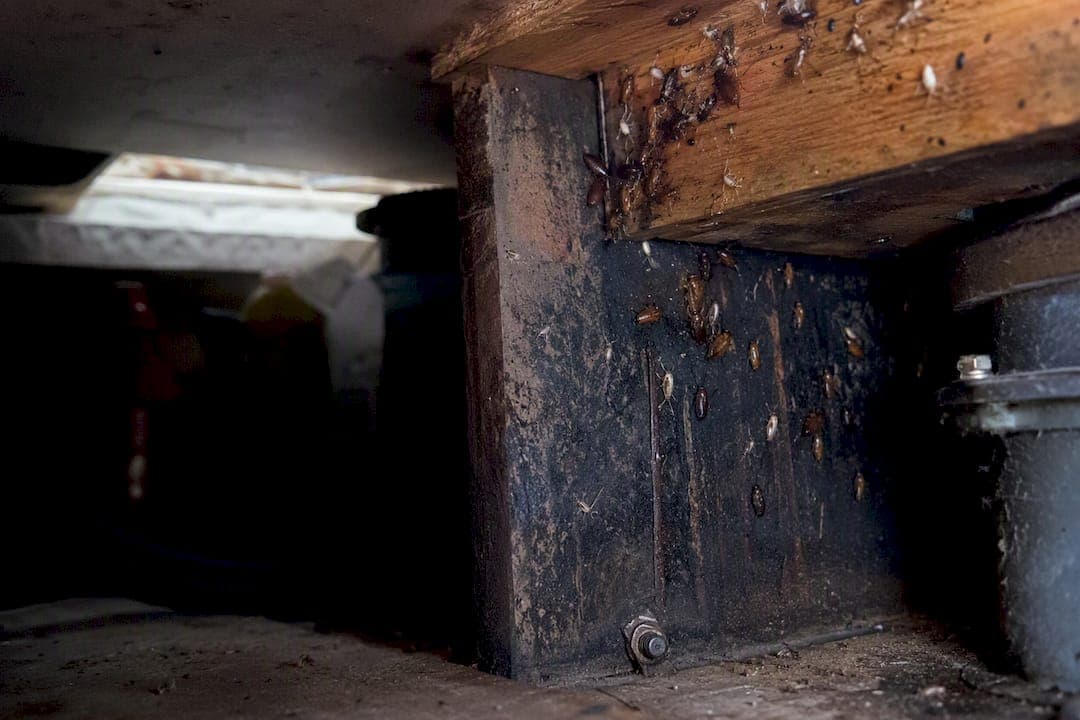
The most reliable signs of a cockroach infestation are droppings, egg cases, shed skins, grease smear marks, a musty oily odor, and repeated or daytime sightings. Any one of these on its own deserves a closer look. Two or more together usually mean roaches have already settled in and started breeding.
Check these spots right now:
- Cabinet corners and pantry shelves, especially where crumbs collect
- Under the sink and around drain pipes
- Behind and beneath the refrigerator and stove
- Inside cardboard boxes or storage drawers you rarely move
Roaches reproduce fast, so the earlier you catch these signs, the smaller the problem you're dealing with.
Key Takeaways
Early detection of droppings, egg cases, shed skins, smear marks, odor, and daytime sightings determines whether a cockroach problem stays small or turns into an established infestation.
| Point | Details |
|---|---|
| Droppings reveal roach size | Coffee-ground specks point to small roaches; ridged cylindrical pellets point to larger ones. |
| Egg cases confirm breeding | Finding an ootheca or multiple shed skins means roaches are reproducing indoors, not just visiting. |
| Smear marks show travel routes | Wipe suspected marks and recheck in 48 to 72 hours to confirm an active trail. |
| Daytime sightings signal overcrowding | Roaches only appear in daylight once their hiding spot becomes too crowded to sustain them. |
| Traces carry health risks | Droppings and shed skins contain allergens linked to asthma and respiratory irritation, even without live roaches present. |
| Professional inspection resolves uncertainty | Bespoke-enviro combines full inspection, non-toxic treatment, and follow-up monitoring for confirmed infestations. |
Table of Contents
- Signs of Cockroach Infestation: Droppings
- Egg Cases and Shed Skins: The Clearest Proof of Breeding
- Grease Trails and Smear Marks: The Signs People Miss
- The Musty, Oily Smell That Signals a Larger Population
- Why a Daytime Sighting Matters More Than a Nighttime One
- Where Cockroaches Hide: A Room-by-Room Check
- Health Risks You Can't See: Allergens From Roach Traces
- Stray Roach or Full Infestation? How to Decide
- What Technicians Actually Look For
- What a Professional Cockroach Inspection Includes
- Sources
Signs of Cockroach Infestation: Droppings
Droppings are usually the first physical evidence homeowners notice, and they tell you roughly what size roach you're dealing with. Small species leave marks that look like coffee grounds or ground black pepper. Larger roaches leave cylindrical, ridged pellets that some people mistake for mouse droppings, though mouse droppings tend to be smoother and slightly larger.
Focus your search on:
- Pantry shelves and the corners of food cabinets
- Underneath and behind large appliances
- Along baseboards and inside seldom-opened drawers
Public-health guidance from the Long Beach Health Department confirms this appearance pattern and notes that concentrated droppings in one area almost always point to a nearby breeding site rather than a single wandering insect. If you find a cluster rather than a scattered few specks, you're likely looking at an established population, not a stray visitor.
Egg Cases and Shed Skins: The Clearest Proof of Breeding
An ootheca, the roach egg case, looks like a small brown or tan capsule, often no bigger than a grain of rice, and can hold dozens of eggs depending on the species. You'll typically find them tucked behind appliances, inside stored boxes, or wedged into cupboard seams where they're protected from disturbance. Decluttering cardboard from storage areas makes these capsules far easier to spot during a quick check.
Shed skins are just as telling. Young roaches molt several times as they grow, leaving behind pale, hollow outlines of their bodies.
- One or two shed skins might mean a small, recent population
- Multiple skins across different areas usually mean roaches have been breeding indoors for a while
Finding either an egg case or several shed skins is exactly when a DIY response should shift toward professional inspection, since both are direct evidence of reproduction rather than a single insect passing through.
Grease Trails and Smear Marks: The Signs People Miss
Smear marks are brown or reddish-brown greasy streaks that form when roaches with oily bodies travel the same path repeatedly, usually along a damp or grimy surface. They're easy to mistake for ordinary kitchen grime, which is exactly why most homeowners walk past them.
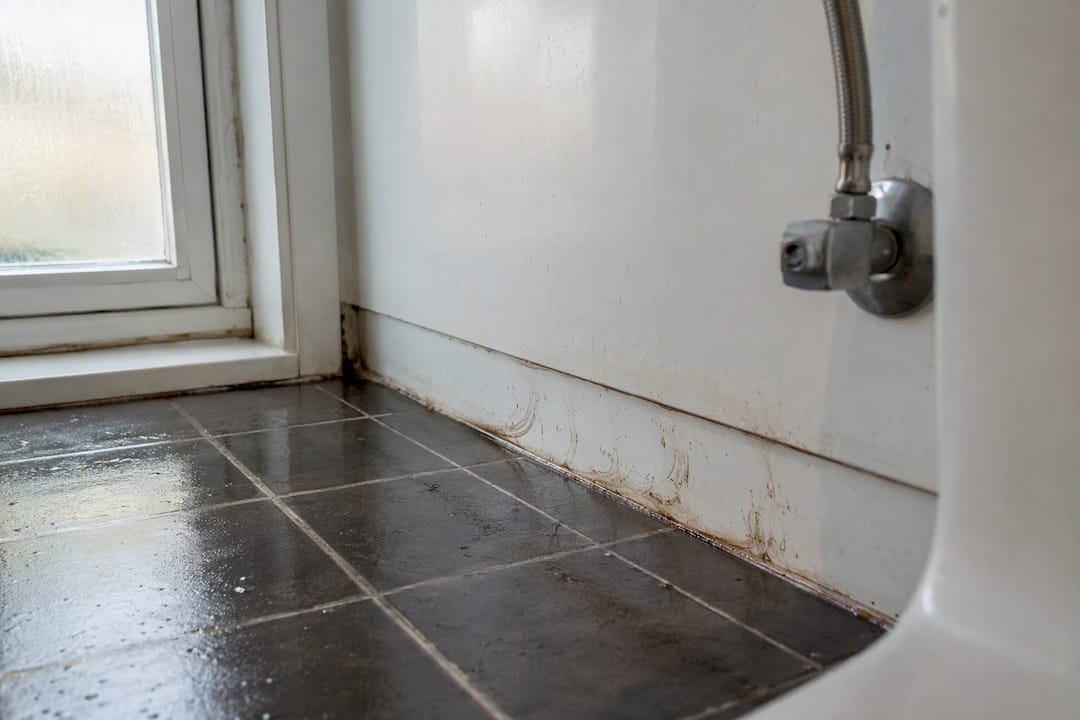
Look along baseboards, around pipe runs, and on the backs of cabinets where surfaces stay slightly damp.
Pro Tip: Wipe a suspected smear mark clean and check the same spot again in 48 to 72 hours. If the mark reappears, you've confirmed an active travel route, not an old stain.
Angi's guidance on roach infestation signs notes that smear marks work best as supporting evidence, paired with droppings or sightings rather than judged alone.
The Musty, Oily Smell That Signals a Larger Population
An established infestation often produces a musty, oily odor that comes from aggregation pheromones roaches release as their numbers grow. The smell tends to concentrate in enclosed spaces like closed cabinets, under sinks, and inside storerooms where air doesn't circulate.
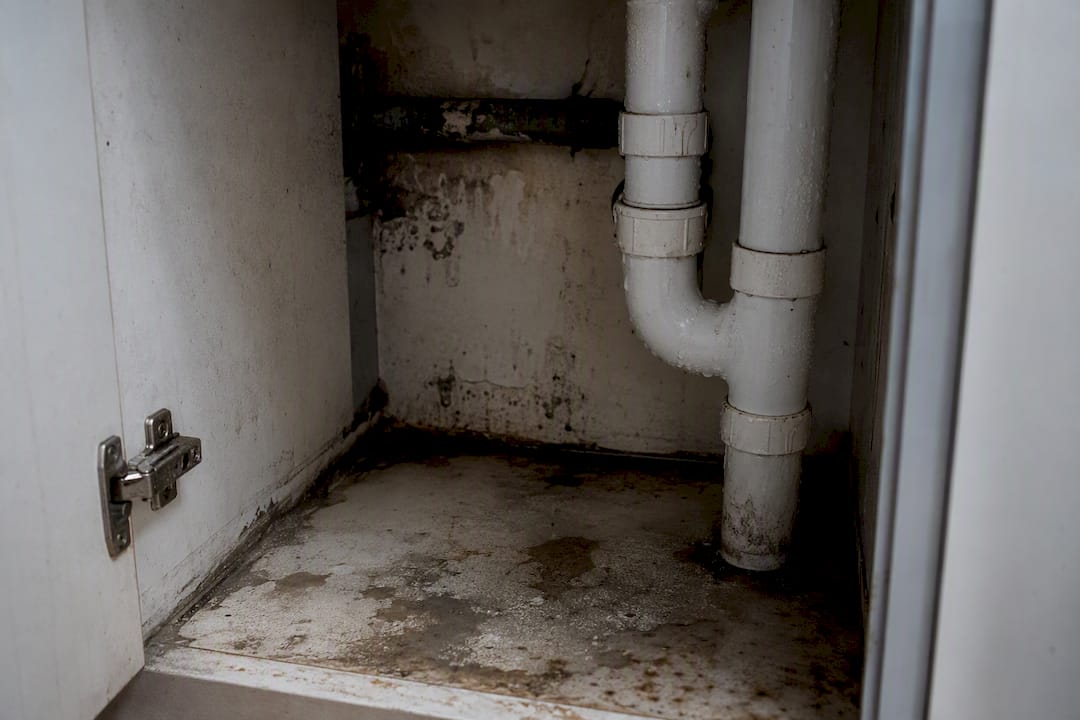
A faint smell after cleaning isn't automatically damning. But according to Angi, an odor that persists after you've scrubbed the area usually points to a population too large to have left just from cleaning alone. Treat the smell as one clue among several, not standalone proof.
Why a Daytime Sighting Matters More Than a Nighttime One
Roaches are nocturnal by nature, so spotting one scurrying across the kitchen floor at 2 a.m. isn't necessarily alarming on its own. Daytime sightings are a different story. Roaches only venture out in daylight when overcrowding at their hiding spot forces the weaker or younger insects into the open.
Use this rough scale to judge severity:
- A single nighttime sighting in one spot: possibly a lone stray, worth monitoring
- Repeated sightings in the same area: likely a nearby harbourage worth inspecting
- Sightings across multiple rooms, or any daytime sighting: strong signal of an established infestation
After any sighting, check the nearest cabinets, drains, and appliance gaps, and jot down the time and location. That log becomes useful information if you eventually call in a professional.
Where Cockroaches Hide: A Room-by-Room Check
Roaches favor warm, dark, moist places, so a methodical sweep of the usual hiding spots turns up far more evidence than a quick glance.
- Kitchen: behind and under the fridge and stove, inside cabinet corners, pantry shelves, and unopened food packaging
- Bathroom: around drains, under the sink, in pipe gaps, and inside floor traps
- Utility and shared spaces: laundry rooms, stacked cardboard, wall voids, and shared drains or rubbish chutes in apartment buildings
Pro Tip: Use a flashlight and a small mirror to check behind and underneath appliances without pulling them out. Photograph anything you find so a technician has a clear starting point.
Wear gloves while inspecting, since droppings and shed material can irritate skin as well as airways.
Health Risks You Can't See: Allergens From Roach Traces
Even when you never spot a live roach, the droppings, shed skins, and decaying bodies they leave behind carry allergens that trigger respiratory irritation and worsen asthma, according to research compiled by the National Institutes of Health. Normal cleaning can stir this material into airborne dust, which is part of why heavily contaminated areas need careful handling rather than aggressive dry sweeping.
Discard any food that may have been exposed, and deep-clean affected surfaces rather than spot-wiping them. Seal food in airtight containers, fix leaking pipes that provide moisture, and use a HEPA vacuum instead of a broom in areas with visible droppings or skins.
Stray Roach or Full Infestation? How to Decide
A single roach seen once, with no droppings, egg cases, or smear marks anywhere nearby, is often just a stray that wandered in from outside. The picture changes once you find physical evidence in more than one location.
Call a professional when you notice any of the following:
- Roaches seen during daylight hours
- Egg cases or multiple shed skins anywhere in the home
- Droppings appearing in more than one room
- A musty odor that returns after cleaning
- Signs reappearing after you've already tried DIY treatment
Insect Out's overview of infestation signs lists these same triggers as the point where DIY measures stop being enough. A professional inspection typically covers the kitchen, bathrooms, utility areas, and shared building infrastructure, followed by targeted treatment and a follow-up visit. Before the visit, keep a log of sightings and clear access to cabinets, under sinks, and appliance gaps.
What Technicians Actually Look For
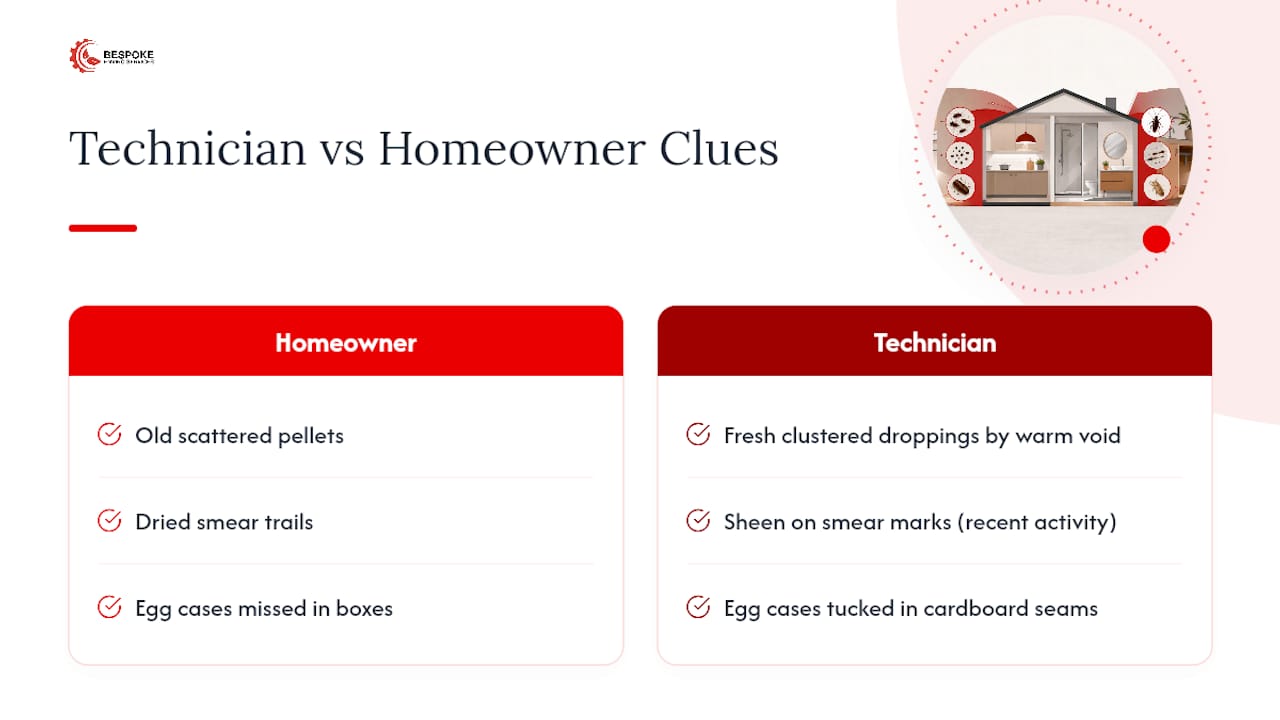
Homeowners scan for the obvious. Technicians look for the details underneath. Fresh droppings clustered near a warm void, like behind a refrigerator motor, tell a different story than old scattered pellets. A sheen on a smear mark suggests recent activity rather than a dried, weeks-old trail. Egg cases tucked into cardboard seams get missed constantly, because most people never unstack the boxes.
This is why integrated pest management starts with inspection, not spraying. Sanitation recommendations, targeted baiting, and scheduled follow-up monitoring matter more than a one-time treatment, since roaches that survive an incomplete job simply rebuild their numbers.
What a Professional Cockroach Inspection Includes
Bespoke-enviro is the alternative to guesswork and repeat DIY sprays: a full inspection that finds the breeding sites you can't see, paired with treatments built around integrated pest management rather than a one-off can of insecticide. Our technicians check the same hiding spots covered in this checklist, plus the harder-to-reach voids and shared drain lines that homeowners typically can't access on their own.

A visit includes a comprehensive inspection, targeted non-toxic treatment suited to what we find, sanitation recommendations to remove what's attracting roaches in the first place, and a follow-up check to confirm the problem doesn't return. Before your appointment, jot down where and when you've spotted activity, and clear access to cabinets, under sinks, and appliance gaps so the inspection covers everything in one visit. If you've noticed droppings, egg cases, or a persistent odor, book an inspection with Bespoke Enviro Services and get a clear answer instead of another guess.
Sources
- Cockroach allergen exposure and sensitization are linked to asthma (PMC)
- Cockroach fact sheet (Long Beach Health Department)
- Signs of cockroach infestation (Insect Out, Singapore)
- Signs of a roach infestation (Angi)