
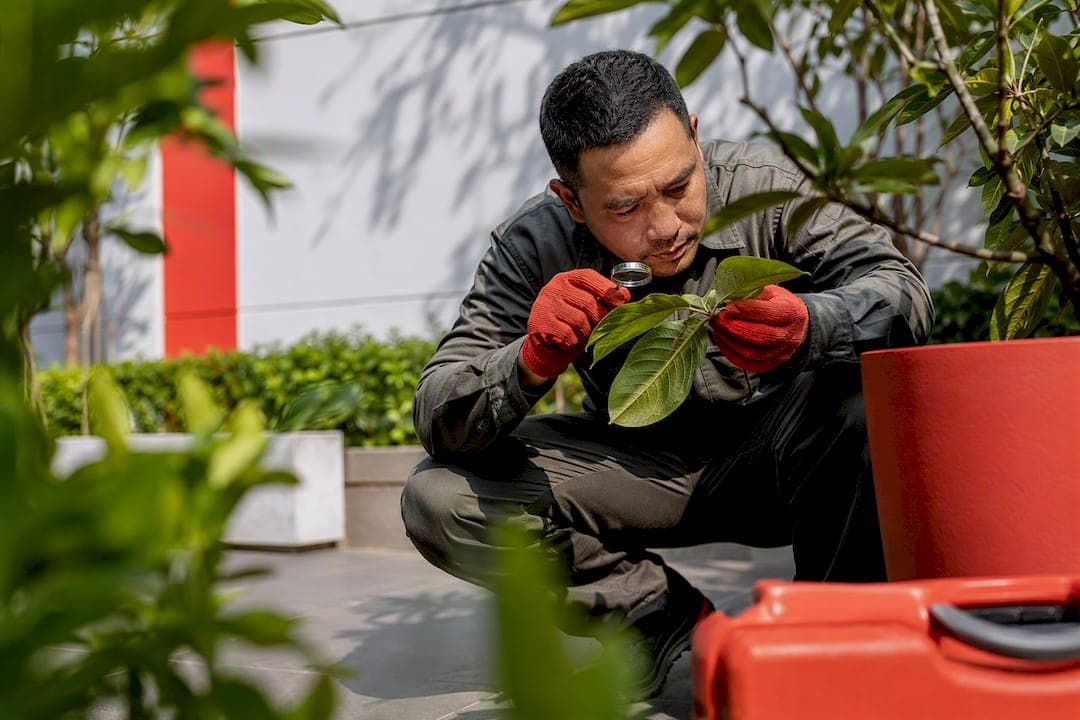
The most effective eco-friendly pest control approach starts with integrated pest management (IPM), then layers non-toxic tactics: prevention, biological controls, botanical biopesticides, and physical exclusion. Each method targets a specific gap the others miss. Structural pests, health-risk situations, or infestations that keep coming back call for a licensed professional trained in IPM, like Bespoke-Enviro.
TL;DR:
- Most pest problems can be managed effectively through integrated pest management by correctly identifying pests, monitoring their numbers, and acting only when thresholds are exceeded.
- Prevention strategies such as sanitation, habitat modification, and physical proofing are the most cost-effective methods to reduce pest attraction and entry.
- Encouraging beneficial insects and using biological controls like Bacillus thuringiensis can significantly lower pest populations without harming the environment.
- Botanical biopesticides and microbial agents offer targeted pest control options that biodegrade quickly, requiring precise timing and, in some cases, professional application for best results.
- DIY methods are suitable for small, one-area infestations, but recurring or structural problems generally require professional intervention utilizing targeted, non-toxic treatments to ensure long-term control.
Table of Contents
- What Is Integrated Pest Management and Why Does It Matter?
- Prevention and Cultural Practices Every Home or Business Should Do
- Biological Controls and Beneficial Organisms You Can Encourage or Apply
- Botanical Biopesticides and Microbial Insecticides: What Works and Their Limits
- Physical and Mechanical Controls: Traps, Diatomaceous Earth, and Exclusion
- Deciding Whether DIY Eco Methods Are Enough, or When to Call a Professional
- Our Take: What 30 Years of IPM Work Has Taught Us
- When to Bring In Bespoke-Enviro for Eco-Friendly Results
- Sources
What Is Integrated Pest Management and Why Does It Matter?
Integrated pest management organizes every decision you make about pests into five steps: identify the pest correctly, monitor its numbers, set a threshold for action, apply the most targeted control available, then evaluate the result. Skip the first step and you risk killing a beneficial insect while the actual problem species multiplies unchecked. This sequencing is what separates IPM from the "spray first, ask questions later" habit most people grew up with.
Monitoring sounds technical, but it usually just means paying attention with a purpose. Sticky traps near baseboards tell you whether cockroach numbers are rising or falling week to week. A quick visual sweep of stored grains catches pantry moths before they spread through the cabinet. Counting aphids on a few marked rose leaves gives you a baseline instead of a guess.
Thresholds keep you from overreacting to a single ant on the counter, while also telling you when it's time to act:
- Ants or roaches: A handful of sightings a week in the kitchen warrants sanitation and monitoring; daily sightings in multiple rooms warrants treatment.
- Aphids: Light colonies on a few leaves are often controlled by natural predators; heavy curling or sooty mold on multiple plants means it's time to intervene.
- Rodents: One sighting or a single dropping trail means inspect and seal; repeated sightings or gnaw marks mean active infestation.
IPM's real advantage is precision. Because treatment is triggered by an actual threshold rather than fear, you protect the ladybugs, bees, and soil microbes that keep your yard functioning. You also avoid training pests to resist chemicals they encounter constantly, a documented problem when broad-spectrum sprays get used on a schedule instead of as needed. Our practical IPM guide breaks the monitoring step down further for both homes and commercial properties.
Prevention and Cultural Practices Every Home or Business Should Do
Nearly every pest problem traces back to three things: food, water, and shelter. Remove those and you remove most of the incentive for pests to move in. Extension research on natural pest management consistently ranks sanitation, exclusion, and habitat modification as the first line of defense, ahead of any product you could spray or release.
Sanitation comes first because it's the cheapest fix available. Store dry food in airtight containers, take out trash daily rather than letting it sit, and keep drains clear of the organic buildup that fungus gnats and drain flies feed on.
Habitat modification follows close behind. Standing water in gutters, saucers under potted plants, or low spots in the lawn become mosquito nurseries within days. Overgrown mulch beds pressed against your siding hold moisture that attracts termites and carpenter ants.
Proofing closes the physical gaps pests use to get inside:
- Seal cracks around foundations, utility lines, and window frames with caulk or steel wool.
- Install door sweeps on exterior doors, since a quarter-inch gap is enough for mice.
- Fit fine mesh screens over vents, weep holes, and chimney openings.
- Trim vegetation and tree limbs so they don't touch the roofline or walls.
- Fix leaky spigots and irrigation lines promptly.
Landscape choices round out the picture. Companion planting, such as marigolds near vegetable beds or basil near tomatoes, can discourage certain insects while supporting pollinators. Avoid creating continuous moisture zones by grouping heavy-water plants away from your foundation.
Pro Tip: Walk your property's perimeter once a season with a flashlight at dusk. Most entry points and moisture problems reveal themselves in the first ten minutes, before they become an infestation.
A short monthly routine, checking drains, gutters, and door seals, does more to prevent pests long term than any single treatment ever will.
Biological Controls and Beneficial Organisms You Can Encourage or Apply
Nature already runs a pest control operation in most yards. Ladybugs and lacewings consume aphids by the hundreds per week, parasitoid wasps lay eggs inside caterpillar pests, and predatory mites hunt spider mites on ornamental plants. Encouraging these allies usually costs nothing more than a change in habit.
- Plant nectar-rich strips (dill, fennel, yarrow) to give adult ladybugs and lacewings a food source between meals.
- Reduce broad-spectrum spraying, which kills beneficials as readily as pests.
- Leave a small brush pile or leaf litter zone where ground beetles and predatory insects can shelter.
- Avoid mowing clover and low-flowering "weeds" too aggressively, since they support pollinators and predator insects alike.
Garden conservation measures like these can meaningfully increase populations of ladybugs and lacewings, often delivering visible aphid control within a single season.
Microbial agents extend biological control into territory predators can't reach. Bacillus thuringiensis (Bt) is a bacterium that disrupts the digestive system of caterpillars and certain larvae; it's non-toxic to humans and pets when applied as labeled, which is why it shows up in organic gardening products under names like Dipel. Entomopathogenic nematodes and fungi work below the soil surface against grubs, fleas, and root-feeding larvae, though they need moist soil and the right temperature range to survive long enough to work.
Pro Tip: Buy beneficial nematodes close to your application date. They're living organisms, and refrigerated shelf life is short.
Professional biological applications differ from DIY in scale and precision: licensed technicians select organism strains matched to the confirmed pest, apply them at the life stage where they're most vulnerable, and follow up with monitoring to confirm the population actually declined. That level of targeting is hard to replicate with a bottle bought online.
Botanical Biopesticides and Microbial Insecticides: What Works and Their Limits
Plant-derived and microbial insecticides give you chemical activity without the persistence problems of synthetic pesticides. Neem oil disrupts insect feeding and reproduction, working well on aphids, whiteflies, and mites. Pyrethrum, extracted from chrysanthemum flowers, delivers fast knockdown against flying and crawling insects. Spinosad, derived from soil bacteria, targets caterpillars and thrips with a favorable safety profile for beneficial insects when used correctly. Bt, already mentioned above, remains the standard for caterpillar control in home gardens.
Biopesticides earn their eco-friendly label through two properties: selectivity and biodegradability. A Frontiers review of biopesticides and biological control agents describes them as more selective and faster to biodegrade than synthetic alternatives, which is exactly why they're compatible with the beneficial insects discussed above rather than working against them.
That biodegradability cuts both ways. It's a strength for the environment and a limit for control:
- Short field persistence means a single application often washes off or breaks down within days.
- Timing matters more than with synthetics; missing the pest's vulnerable life stage wastes the application.
- Sunlight and rain accelerate breakdown, so reapplication schedules run tighter.
Formulation science is closing that gap. The same Frontiers review notes that nano-encapsulation and other formulation advances can increase field persistence and efficacy by an estimated 30 to 50 percent compared to standard botanical sprays, narrowing the difference between a DIY neem application and a professionally formulated product.
Real-world results back the category up. A field trial in an integrated rice-fish farming system using plant-derived biopesticides held caterpillar damage under 1 percent, kept grasshopper infestation below 5 percent, left no detectable residue in fish or soil, and produced a 15 percent higher yield than the conventional comparison plot. Apply any botanical spray in early morning or evening, never during active pollinator visits, and always follow the label's timing and dilution instructions exactly.
Physical and Mechanical Controls: Traps, Diatomaceous Earth, and Exclusion
Physical controls give you immediate population reduction with essentially zero chemical exposure, which makes them a natural companion to the biological and botanical methods above.
Traps serve two different jobs, and mixing them up wastes effort. Pheromone traps are built for monitoring, telling you a pest is present and roughly how many, not for eliminating a population on their own. Live-capture traps for rodents let you relocate animals, though check local regulations first since release rules vary and relocated rodents can struggle to survive outside familiar territory.
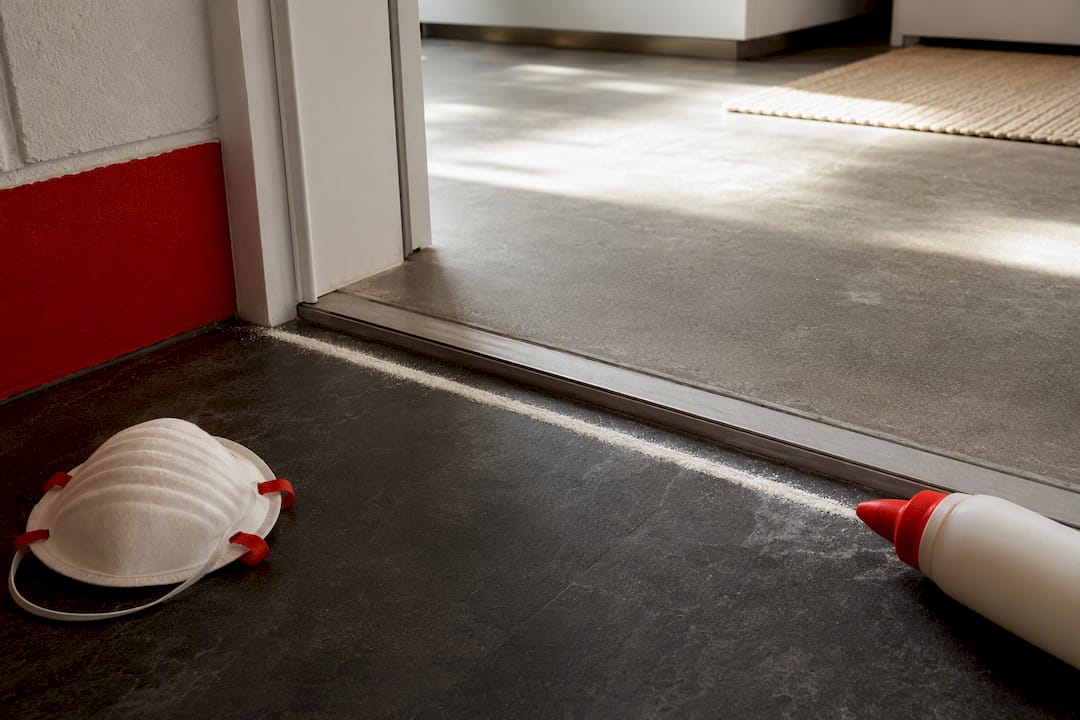
Diatomaceous earth (food-grade) works mechanically rather than chemically. The fine powder abrades the exoskeletons of crawling insects like ants, cockroaches, and slugs, causing them to dehydrate. It's effective when applied in a thin, dry layer along baseboards and entry points, but it needs a respirator-style dust mask during application since inhaling the fine particles can irritate lungs.
Heat treatment and targeted vacuuming handle a narrower set of problems well. Bed bugs die at sustained temperatures above 118°F, which is why professional heat treatments succeed where sprays often fail against hidden infestations in seams and voids. Stored-product pests like pantry moths respond well to freezing infested items or thorough vacuuming of cracks and shelving.
Exclusion remains the physical control with the longest payoff:
- Rodents: Steel wool and hardware cloth in gaps larger than a quarter inch, since mice fit through surprisingly small openings.
- Ants: Caulk foundation cracks and trim vegetation that bridges to the structure.
- Cockroaches: Seal expansion joints, fix leaky pipes, and screen floor drains.
Deciding Whether DIY Eco Methods Are Enough, or When to Call a Professional
Most light infestations respond well to the layered approach covered above. Confirmed structural damage, recurring problems, or health-sensitive situations are a different category entirely.
- Scope: Is the pest confined to one area, or showing up in multiple rooms or the yard simultaneously?
- Structural access: Is the infestation inside walls, under slabs, or in spaces you can't physically inspect or treat?
- Health risk: Does the household include infants, elderly residents, or anyone with asthma or allergies that a misapplied treatment could aggravate?
- Recurrence: Has the same problem returned after DIY treatment more than once?
Two or more "yes" answers usually mean it's time to call in a professional rather than escalate the DIY approach further, especially since DIY botanical treatments degrade quickly in field conditions and rarely reach pests hidden in wall voids or deep soil.
An eco-conscious contractor's process typically mirrors the IPM framework itself: a full inspection to confirm the pest and its extent, a written IPM plan naming thresholds and target areas, targeted application of biologicals or biopesticides matched to the confirmed species, and follow-up monitoring with documentation showing the population actually declined. That documentation step matters. Legitimate green pest programs build monitoring and reporting into the service, not just a one-time spray.
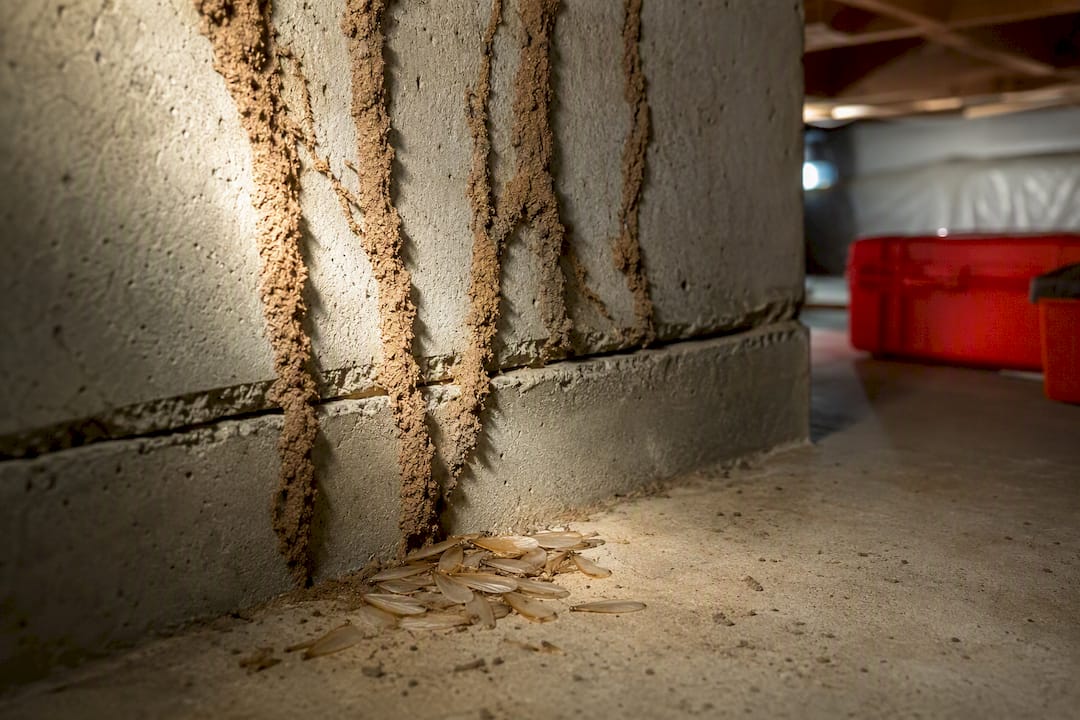
Certain findings are non-negotiable red flags for licensed intervention: confirmed termite mud tubes or wing piles, a bed bug infestation that has survived a full treatment cycle, or heavy rodent nesting inside wall voids or attic insulation. These situations require specialized delivery methods, injection systems, and bait stations that go beyond what over-the-counter products can reach.
Our Take: What 30 Years of IPM Work Has Taught Us
Over three decades of eco-friendly pest work has taught us that the biggest failure point isn't a weak product. It's misidentification. Treating the wrong pest, or hitting a beneficial insect population by mistake, causes more secondary outbreaks than any single "ineffective" botanical spray ever does. Get the identification right and even a modest biopesticide often outperforms a strong synthetic applied to the wrong target.
Our typical eco-friendly job follows the same sequence every time: inspection to confirm the species and scope, targeted biologicals or biopesticides matched to that specific pest, then monitoring to verify beneficial populations recover alongside pest numbers dropping. We're building out detailed case studies from recent residential and commercial projects to show that sequence in action, and we'll be sharing client experiences here as those come together.
— Bespoke-Enviro Services
When to Bring In Bespoke-Enviro for Eco-Friendly Results
Bespoke-Enviro exists for the moment DIY methods hit their ceiling, when a pest problem needs the reach, formulation strength, or structural access that a home spray bottle simply can't deliver. A typical service starts with a full inspection to confirm the pest and its extent, followed by an IPM plan that names the specific thresholds and target zones on your property. From there, we apply targeted, non-toxic treatments, biologicals, botanical biopesticides, or physical exclusion depending on what the inspection reveals, and we follow up with monitoring to confirm the results hold.
Cost varies with infestation size and scope, since a single-room ant problem and a whole-structure termite issue call for very different plans. What stays consistent is the approach: safety for people, pets, and pollinators, backed by documentation you can actually review. If you're dealing with persistent pests, structural concerns, or just want a professional general pest control inspection to know where you stand, request an inspection and quote, and we'll walk the property with you before recommending anything. For confirmed termite activity, our termite control team can schedule a dedicated assessment the same way.
Sources
The claims and methods in this guide draw on peer-reviewed and practitioner sources, including a Frontiers review on biopesticides and biological control agents, a field study on plant-derived biopesticides in rice-fish farming systems, and a microbial insecticide review covering Bt safety and application. Home gardeners and small-property owners can also find practical, garden-focused tactics through Planet Bee Foundation's natural pest control resources, and property managers may find useful compliance context through Landlord Compliance's guidance for private landlords.
- Biopesticides and biological control agents: advances, integration, and prospects for sustainable pest management — Frontiers (2026)
- Eco-friendly pest management in integrated rice-fish farming systems using plant-derived biopesticides — GJESM (2025)
- Microbial insecticides review — NCBI PMC