
A compliant hotel pest management plan is an Integrated Pest Management (IPM) program, not a service contract. It combines routine monitoring, prevention and structural exclusion, targeted treatment, thorough documentation, and clearly assigned staff responsibilities. Together, these five pieces produce a facility with no guest-visible pests, defensible health compliance, and records that hold up under a health inspector's review or a corporate audit.
We build these programs around measurable outcomes, not vendor visits alone. A hotel running real IPM should be able to answer three questions on demand: are monitoring devices checked and logged on schedule, are mattress encasements installed and inspected across every guest room, and does someone review vendor reports for trends instead of filing them away. If a manager cannot answer those three today, the plan exists on paper only.
- Monitoring devices are placed, checked, and logged on a fixed schedule
- Mattress encasements are installed and verified across guest rooms
- Vendor reports get reviewed internally for consumption or sighting trends, not just filed
Key Takeaways
A hotel pest management plan works only when monitoring data, prevention work, and treatment records feed a single documented system that staff actively use.
| Point | Details |
|---|---|
| IPM beats a vendor contract | A vendor visit alone is not a program; it needs internal tracking and trend review to work. |
| Match inspection frequency to risk | Food service areas need monthly visits; guest floors and perimeter areas run quarterly at minimum. |
| Escalate on data, not guesswork | Rising bait consumption across three visits should trigger a structural exclusion work order. |
| Train staff on specific actions | A 30-second bed seam and headboard scan during turnover catches bed bugs early. |
| Bespoke-enviro builds the full system | Bespoke-enviro sets up monitoring, exclusion, treatment, and documentation as one program for Singapore hotels. |
Table of Contents
- What Is IPM and Why Hotels Need It Over a Vendor Contract
- Building the Four Core Components of Your Plan
- Pest-Specific Protocols Every Plan Needs
- Who Does What: Staff Roles and Rapid Response
- The Inspection Schedule You Can Copy Into Your SOPs
- Why Documentation Turns Vendor Visits Into a Real Program
- How Bespoke-Enviro Builds and Supports Your IPM Program
- Where to Go for Templates and Deeper Reading
- Frequently Asked Questions
- Sources
What Is IPM and Why Hotels Need It Over a Vendor Contract
Integrated Pest Management treats pest control as a system, not a monthly errand. A vendor contract gets someone on-site to spray or set traps. IPM adds the missing layer: it links inspection, prevention, and monitoring into one program that catches problems before they reach a guest room.
Three reasons this distinction matters to a general manager:
- Guest satisfaction improves because prevention and monitoring catch issues at the harborage stage, long before a guest ever sees a roach cross a bathroom floor.
- Compliance gets easier because IPM's documentation requirement produces exactly the records health inspectors and corporate auditors ask for.
- Treatment frequency drops over time because exclusion work and sanitation controls remove the conditions that cause repeat infestations, instead of just knocking down the current one.
A calendar-based contract treats every visit the same regardless of what last month's data showed. IPM reads that data and adjusts.
Building the Four Core Components of Your Plan
Each component needs specific standards attached to it, or it stays theoretical.
Monitoring starts with device placement. Kitchens, loading docks, garbage staging areas, and guest floor corridors each need glue boards or bait stations positioned at known pest travel routes, not just wherever is convenient. Food service areas warrant monthly service visits at minimum, while guest floors and mechanical rooms typically run on a quarterly cycle unless an active issue pushes that frequency up. Every check gets logged with date, device ID, and finding, whether that finding is zero activity or three roaches.
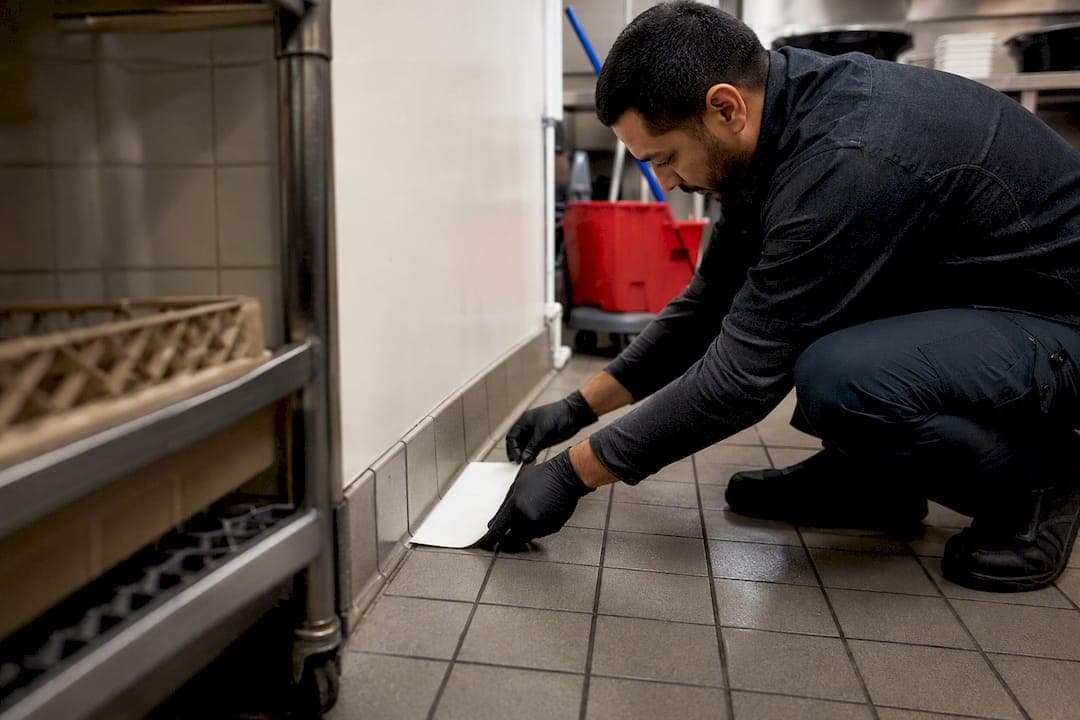
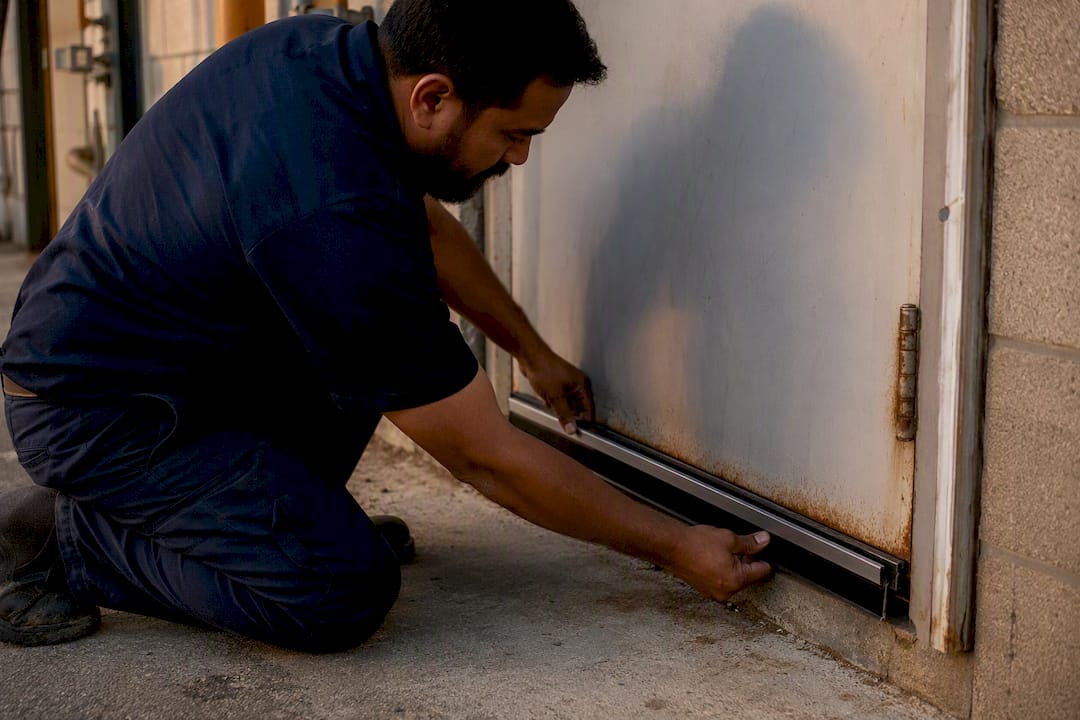
Prevention and exclusion close the physical gaps pests use to get in. That means door sweeps on loading dock and back-of-house entries, copper mesh packed around pipe penetrations where rodents chew through standard sealant, landscaping kept clear of the building foundation, and moisture control in crawl spaces and under sinks. Housekeeping sanitation protocols, especially in pantries and break rooms, remove the food sources that make exclusion worthwhile in the first place. Structural proofing and zonal protection work best when treated as ongoing maintenance items, not a one-time punch list.
Targeted treatment favors low-toxicity baits and gels applied at confirmed harborage points over broad chemical spraying. Rotating active ingredients between service visits prevents resistance from building in cockroach and rodent populations. Heat treatment or fumigation gets reserved for confirmed infestations, particularly bed bugs, where spot treatment alone will not clear an entire room.
Documentation is the piece most hotels shortchange. Every vendor report needs the product used, its concentration, and the exact location treated. Internal logs should track visit dates against room or zone history so a pattern across three visits is visible, not buried across three separate paper reports.
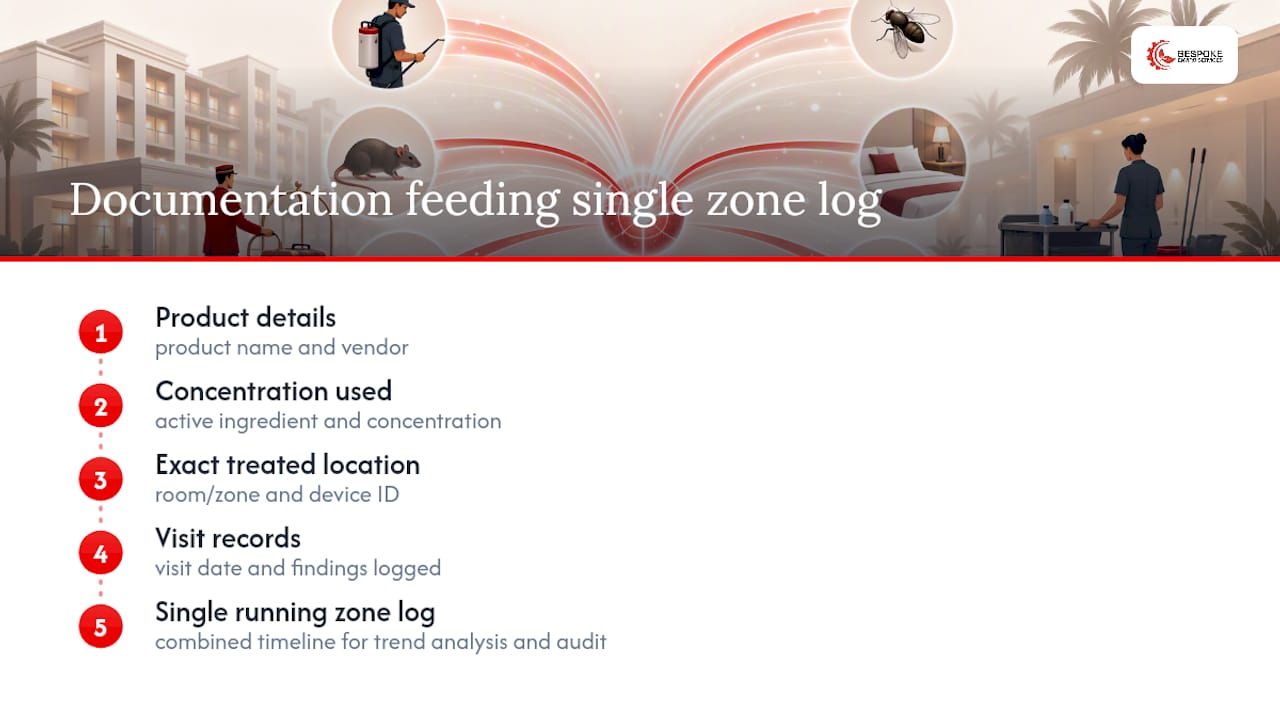
Pro Tip: Keep a single running log per zone, not per vendor visit. A three-month view of one loading dock tells you far more than three disconnected monthly reports ever will.
Pest-Specific Protocols Every Plan Needs
Generic pest control language does not help a housekeeper standing outside a room with a guest complaint. Each high-risk pest needs its own short standard operating procedure.
- Bed bugs. Install mattress and box-spring encasements on every bed. Run quarterly visual or canine inspections. On any guest report, isolate the room immediately, inspect adjacent rooms on both sides and above/below, treat, document the treatment, and hold the room out of inventory until a clearance inspection confirms the room is safe to resell.
- Rodents. Use tamper-proof bait stations at fixed points along the building perimeter and interior harborage zones. Track consumption per station across visits. A station showing rising consumption across three consecutive visits signals a growing population and should trigger a structural exclusion work order, not just another round of bait.
- Cockroaches. Place gel baits directly in harborage cracks and voids rather than open floor areas. Rotate active ingredients between service cycles. Pair this with a drain and moisture management program, since cockroaches concentrate wherever plumbing keeps surfaces damp.
- Flies. Apply drain bioremediation treatments to break down the organic buildup that breeds drain flies. Keep waste covered and removed on a tight schedule. Position UV traps in back-of-house corridors and kitchen prep areas, out of guest sightlines, where they still intercept flying insects effectively.
None of these protocols call for chemical treatment at the first sighting. IPM works on action thresholds: monitoring data tells you when intervention is warranted and when it is not, which keeps guest-area disruption to a minimum.
Who Does What: Staff Roles and Rapid Response
A plan only works if every department knows its specific job. Housekeeping conducts visual scans during every room turnover. Maintenance executes the exclusion repairs monitoring data flags, like sealing a gap under a pipe chase. Foodservice staff follow stricter sanitation checks tied to the monthly inspection cycle. Management owns logging vendor findings and deciding when to escalate.
Training works best when it is specific and short, not a general lecture on pest awareness. A 30-second pest scan during turnover that checks bed seams, headboard joints, and pipe penetrations catches bed bugs weeks before a guest complaint would.
- Housekeeping: 30-second scan of bed seams, headboards, and baseboards on every turnover
- Maintenance: closes exclusion gaps within 48 hours of a flagged work order
- Foodservice: logs any sighting the same shift it happens, not at end of day
- Management: reviews vendor reports weekly and decides when to escalate
Pro Tip: Give housekeeping a one-line log format, not a form. "Room, spot checked, finding" takes ten seconds to fill out and actually gets used.
Rapid response follows a fixed sequence: isolate the room or zone, inspect adjacent areas, bring in the vendor to verify, treat, document everything, then confirm clearance before returning the space to service or guest use.
The Inspection Schedule You Can Copy Into Your SOPs
Cadence matters as much as the tasks themselves. Food service areas need monthly service at minimum; guest floors, mechanical rooms, laundry, and the pool typically run quarterly, with frequency increasing immediately after any confirmed activity.
- Daily: visual checks in kitchen and loading dock areas; waste removed and covered; drains checked for buildup.
- Weekly: bait station spot checks in high-traffic zones; encasement integrity checks on any recently vacated room.
- Monthly: full food service inspection and vendor visit; internal log review against the prior month's data.
- Quarterly: guest floor and perimeter inspection; bed bug canine or visual sweep; exclusion audit of common entry points.
Set escalation thresholds before you need them. A single guest-reported sighting warrants immediate isolation and inspection. Rising bait consumption across three visits triggers an exclusion work order. Any increase in treatment frequency for the same zone within a quarter should prompt a root-cause review, not just another spray.
Why Documentation Turns Vendor Visits Into a Real Program
We have run hotel IPM programs in Singapore for more than 30 years, and the pattern is consistent: hotels with a vendor but no internal feedback loop stay reactive no matter how often that vendor shows up. Reading, trending, and acting on vendor reports is what converts a service contract into a program that actually prevents problems.
How Bespoke-Enviro Builds and Supports Your IPM Program
If your hotel needs a full IPM program rather than another vendor visit on the calendar, Bespoke-enviro sets up the entire system and runs it with you, not just for you.

Our team handles IPM program setup, ongoing monitoring, structural exclusion repairs, bed bug remediation, and staff training, backed by documented reporting that shows exactly what was treated, where, and at what concentration. We use eco-friendly, non-toxic methods wherever the situation allows, which matters for hotels balancing guest safety expectations against effective pest control. Every visit feeds into records your compliance team can hand to a health inspector without scrambling first. If your current pest program is a vendor showing up and nothing more, talk to Bespoke Enviro Services about building a documented IPM plan around your property's specific zones and risk points.
Where to Go for Templates and Deeper Reading
- Integrated Pest Management for Urban Hotels, a regulatory reference for program structure and record-keeping expectations
- Implementing Integrated Pest Management in Hotels, for action-threshold frameworks
- Professional Pest Control Services, for general service scope and proofing tactic references
Frequently Asked Questions
What is the difference between pest control and a pest management plan for hotels? Pest control usually means a vendor treats what they find during a visit. A hotel pest management plan built on IPM adds prevention, monitoring between visits, documented thresholds for action, and staff roles, so problems get caught before they become guest-visible.
How often should a hotel inspect for pests? Food service areas need monthly inspections at minimum. Guest floors, mechanical rooms, laundry, and pool areas typically run on a quarterly schedule, with frequency increasing right after any confirmed activity.
What records should a hotel pest management plan keep? Vendor reports listing product, concentration, and treated location; internal visit logs tracking findings by zone; and trend data showing consumption or sighting patterns across multiple visits, all of which support audit readiness.
Do all pest sightings require immediate chemical treatment? No. IPM uses action thresholds, meaning monitoring data determines when intervention is warranted rather than treating every single sighting the same way.
Who should be responsible for pest management tasks inside a hotel? Housekeeping handles visual scans during turnovers, maintenance executes exclusion repairs, foodservice follows stricter sanitation checks, and management owns log review and escalation decisions.
Sources
- Hotel Pest Control and IPM: Protecting Guest Experience and Brand Reputation
- Fsm
- Integrated Pest Management for Urban Hotels