
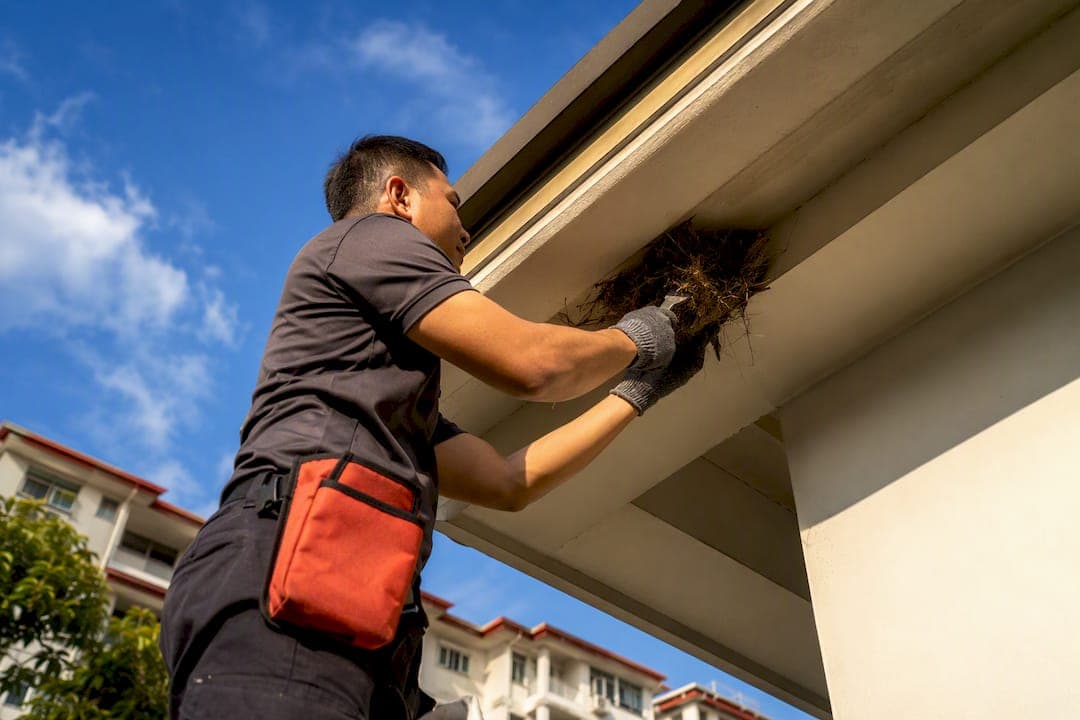
For bird mite infestations in Singapore, hire an NEA-registered vector control operator who removes the inactive nest or roost first and follows with targeted miticide treatment. Do not attempt DIY nest removal or unlicensed pesticide use: active nests carry legal and biological risks, and off-the-shelf sprays rarely reach mites hiding in crevices. The correct sequence is source removal, then treatment, then cleaning.
TL;DR:
- Effective bird mite treatment in Singapore requires site inspection, nest confirmation, targeted acaricide application, thorough cleaning, and follow-up visits, not just a spray.
- Removing the nest must be confirmed inactive before treatment to avoid legal issues and prevent mite dispersal; source removal is crucial for long-term success.
- All work should be carried out by NEA-registered technicians using registered pesticides, with proper documentation and adherence to regulations.
- Prevention measures such as bird proofing, sanitation, and sealing entry points significantly reduce the risk of recurrence, especially in buildings with prior infestations.
- Treatment typically takes several weeks with multiple visits, and costs vary based on access difficulty, extent of infestation, and proofing requirements.
Table of Contents
- What professional bird mite treatment in Singapore covers
- Step-by-step on-site treatment process technicians follow
- Regulatory and licensing checklist for Singapore bird mite work
- Prevention and proofing: how to stop mites from coming back
- Timeline and cost factors in Singapore: what to expect
- Our approach after 30 years of pest management in Singapore
- Book an inspection with Bespoke Enviro
- Singapore statutes and NEA guidance to check
- Sources
- FAQ
What professional bird mite treatment in Singapore covers
A complete bird mite service starts with inspection and vector identification, not a spray can. Technicians confirm the pest is actually a bird mite, trace it to a roost or nest, and check whether that nest is still active before touching it. From there, the job covers four connected stages that a reputable operator will walk you through before starting work.
- Site inspection to confirm the mite species and locate the nest or roost source.
- Confirmation of nest inactivity before any removal begins.
- Targeted acaricide application by licensed technicians in affected zones.
- Interior remediation, including vacuuming, laundering of fabrics, and surface treatment.
- Follow-up monitoring visits to confirm the infestation has cleared.
We treat each of these as one continuous job rather than separate add-ons. Skipping the inspection step or jumping straight to spraying is the most common reason bird mite problems return within weeks.
Step-by-step on-site treatment process technicians follow
Bird mite jobs follow a fairly consistent sequence across Singapore properties, whether it's a landed home with an eave nest or a commercial building with pigeons roosting on ledges. Knowing the steps helps you judge whether a quote reflects a full treatment or just a quick spray.
- Survey the site and collect evidence, including photos of the nest, mite sightings, and affected rooms.
- Confirm the nest is inactive by checking for eggs, chicks, or adult birds still using it, since disturbing an active nest can scatter mites further indoors and raises legal concerns under bird protection rules.
- Remove nest and roost material safely, then proof the area so birds cannot re-roost in the same spot.
- Apply NEA-registered acaricides in targeted zones, using technicians in proper protective equipment rather than broad, untargeted fogging.
- Clean the interior thoroughly, using HEPA vacuums on soft furnishings, laundering affected fabrics on a hot cycle, and treating hard surfaces where mites and eggs may remain.
- Schedule follow-up visits, typically with monitoring checks to confirm the mite population has collapsed rather than just declined.
The order matters. Removing a nest before confirming it's inactive can put technicians in conflict with bird protection provisions and risks releasing more mites into living spaces. Treating without removing the source, on the other hand, only knocks the population back temporarily since mites keep breeding as long as the roost supplies them with hosts.
Pro Tip: Ask any quote to specify whether nest removal is included as a separate line item, since some cheaper packages only cover the spray and leave the source in place.
Most households notice a drop in mite activity within a few days of treatment, but full resolution usually needs the follow-up visit to confirm eggs haven't hatched into a second wave.
Regulatory and licensing checklist for Singapore bird mite work
Bird mite work in Singapore sits inside a regulatory framework that most homeowners never see until something goes wrong. The Control of Vectors and Pesticides Act defines vector control work and requires operators to be registered before they can legally carry it out. On top of that, NEA's Code of Practice for Vector Control Operators requires technicians and workers to hold the relevant licences and to use only NEA-registered pesticides applied according to the label.
Before you sign off on any job, check for the following.
- The operator's NEA registration and the technician's individual licence, shown on request.
- NEA-registered pesticide products, backed by Safety Data Sheets and registration labels the technician can produce.
- Awareness of the Animals and Birds (Pigeons) Rules, which govern nest control, pigeon keeping, and the circumstances under which authorities can require removal.
- A clear answer on when a job needs written coordination with NParks or NEA, which applies more often on larger commercial or heritage sites.
- Red flags: no licence shown, no product labels available, or no monitoring plan after the first visit.
A vendor who can't produce these on request is not one we'd recommend working with, regardless of price.
Prevention and proofing: how to stop mites from coming back
Treatment solves the current infestation. Proofing prevents the next one, and it's the part most owners underinvest in.
- Install bird exclusion measures suited to the site, such as netting for large open ledges, spikes for narrow perching spots, or humane deterrents where birds are already established. This is an approach we cover in our humane bird control methods.
- Tighten sanitation and refuse management, since food waste and open bins attract the birds that bring mites in the first place, a point echoed in joint NEA, NParks, and SFA guidance on pest prevention.
- Seal likely entry points, including vents, eaves, and roof ledges, before birds treat them as nesting sites.
- Schedule routine inspections, more frequently for buildings with a history of infestation.
- Coordinate with your MCST or facility manager where roosts sit on shared property, since communal areas need a joint decision before proofing work can start.
For quick homeowner-level deterrence between professional visits, our guide on keeping mynahs away without poisons covers steps you can take within 24 to 72 hours.
Timeline and cost factors in Singapore: what to expect
Most bird mite jobs in Singapore run on a timeline of several weeks rather than a single visit, since the follow-up checks are what confirm the treatment actually held. Expect one to three follow-up visits after the initial nest removal and treatment, spaced to catch any mites that hatched after the first spray.

Costs vary with a handful of practical factors, such as access difficulty, extent of the infestation, need for external proofing, and equipment requirements.
A cheap one-off spray often fails because it skips source removal, uses unregistered products, or offers no monitoring plan, which means the mites are likely to return shortly. For current pricing details, please refer to the company's official website. When comparing quotes, ask for an itemized breakdown covering inspection, nest removal, treatment, interior cleaning, and follow-up visits, so you can see exactly what's included before you commit.
Our approach after 30 years of pest management in Singapore
The company employs an approach that prioritizes nest removal followed by targeted, compliant treatment rather than blanket fogging, utilizing inspection tools to locate roosts accurately and following a monitoring protocol after treatment.
— Bespoke-Enviro Services
Book an inspection with Bespoke Enviro
Bird mite problems get worse the longer the source nest stays in place, and a proper inspection is the fastest way to find out what you're actually dealing with. We handle the full scope for bird mite cases: site inspection, nest removal, bird proofing, targeted acaricide treatment, and follow-up maintenance, all under one booking.

Before your inspection, it helps to have a few photos of the affected area, a note on which rooms or zones are showing mite activity, and access details for any roof, ledge, or eave where the nest sits. From there, our team can schedule a site visit and walk you through what the job will involve.
- Request an inspection through our Bird Control & Proofing Services page for cases tied to nests, roosts, or pigeon activity.
- Browse our General Pest Control Services page if the mite issue is part of a broader pest concern.
- Reach out directly to book a site visit and get a scoped quote before any work begins.
Singapore statutes and NEA guidance to check
For readers who want the primary sources, the NEA Code of Practice, the Control of Vectors and Pesticides Act, and the Animals and Birds (Pigeons) Rules set the legal framework this article follows. Joint NEA, NParks, and SFA guidance covers premises owner responsibilities for sanitation and prevention.

For property managers navigating shared building obligations, our partners at Hougang Central Residences and Aurea SG Condo cover MCST rules relevant to communal roost issues, and Neat and Tidy Pros offers commercial cleaning support for post-treatment remediation.
Sources
- Code of Practice for Vector Control Operator, Technician and Worker (NEA)
- Control of Vectors and Pesticides Act 1998 (Singapore Statutes Online)
- Joint effort to resolve pest infestations (SFA newsroom)
FAQ
What are the signs of a bird mite infestation indoors?
Bird mite infestations typically show up as small, itchy bites on skin, tiny reddish or brownish specks near windows or vents, and mite activity that spikes after a nearby nest is abandoned. If bites appear mainly in rooms close to a roof, eave, or ledge, that's a strong indicator of a bird source nearby rather than another pest.
Can I remove a bird nest myself to stop the mites?
Removing a nest yourself is not recommended, since active nests fall under protections in the Animals and Birds (Pigeons) Rules and disturbing one before confirming it's inactive can scatter mites further into your home. A licensed vector control operator checks nest status first and handles removal and disposal safely.
How much does bird mite treatment cost in Singapore?
Pricing depends on access difficulty, the extent of the infestation, and whether external proofing like netting is needed, so Bespoke Enviro provides a quote after an on-site inspection rather than a flat rate. You can request that inspection through our Bird Control & Proofing Services page.
How long does it take to get rid of bird mites completely?
Most bird mite jobs in Singapore run several weeks from initial treatment to final confirmation, with one to three follow-up visits to catch any mites that hatch after the first application. Activity usually drops within days, but the follow-up visits are what confirm the infestation has fully cleared.
Do I need a licensed pest control company for bird mites?
Yes, because the Control of Vectors and Pesticides Act requires vector control work to be carried out by registered operators using NEA-registered pesticides. An unlicensed treatment risks both legal issues and a failed job, since off-the-shelf products rarely address the nest source.