
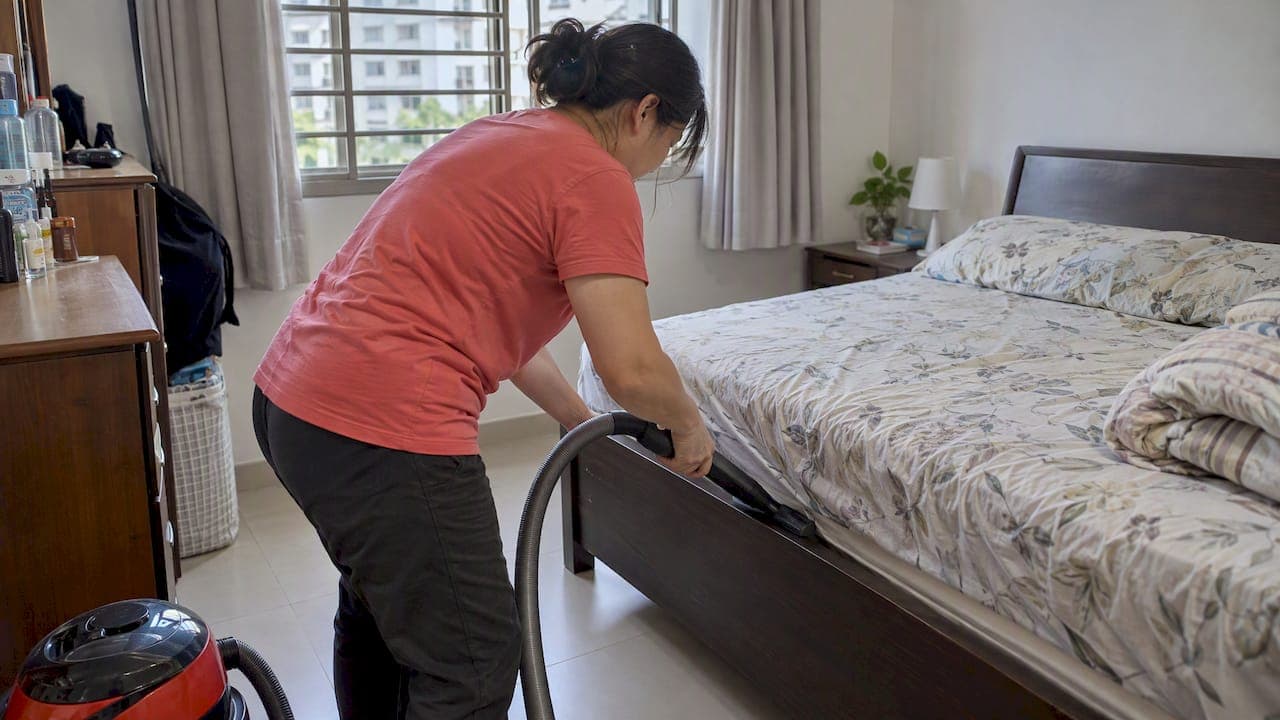
Preparing for bed bug treatment comes down to four jobs. Contain your bedding and clothing, reduce clutter so the technician can reach every hiding place, vacuum and dispose of the contents safely, and plan where you and your family will be during the visit. Do these well and the treatment has a much better chance of working the first time. Do them badly, for example by dragging infested items into other rooms, and you can spread the problem.
This guide is written for Singapore homes: HDB flats, condominiums and landed houses. It covers what to do, what to leave alone, and the mistakes that cause most repeat visits.
TL;DR
- Bag bedding and clothing in the infested room before moving them, then launder and dry them on high heat. Never carry loose items through the home.
- Clear clutter and floor items so the technician can reach baseboards, bed frames and furniture seams. Do not throw out your mattress or sofa before an inspection.
- Do not spray household chemicals such as kerosene, rubbing alcohol or bleach. They are dangerous and can interfere with professional treatment.
- Plan to be out of the home for at least 4 hours, or until treated surfaces have dried, whichever is longer. Children, older adults, people with respiratory conditions and pets need particular care.
- Expect more than one visit. Bed bug elimination is a process, not a single spray.
Table of Contents
- Why preparation decides the result
- Before you do anything: confirm it is bed bugs
- The preparation checklist, step by step
- What not to do
- Day-of checklist
- Chemical or heat treatment: does preparation change?
- Who needs to leave, and for how long
- Our perspective: what we see go wrong
- Preparing in different Singapore homes
- After the treatment
- Ready to book?
- FAQ
- Sources
Why preparation decides the result
Bed bugs thrive where there is clutter, because clutter gives them countless places to hide. Preparation turns a crowded room into one a technician can inspect and treat precisely. That is also the logic behind integrated pest management (IPM), the approach the National Environment Agency (NEA) promotes through Singapore Standard SS 721:2025. IPM puts prevention and non-chemical measures such as habitat modification and vacuuming first, and uses chemical treatment only where it is needed and targeted.
Practitioners describe moving infested items into clean rooms as the most common cause of treatment failure. Preparation is a team effort: we treat, and you contain. The tasks below are simple, but the order matters.
Before you do anything: confirm it is bed bugs
Treating the wrong pest wastes money and time. Bed bugs are often confused with bat bugs, poultry bugs and carpet beetles, and a treatment tailored for one insect may not work on another. Carpet beetle larvae in particular can cause itchy skin reactions that people mistake for bed bug bites. A carpet beetle identification guide shows what the adults and larvae look like, which helps you describe what you have found.
What to do:
- Photograph any live insects, shed skins or dark spotting on the mattress seams, bed frame or headboard.
- Keep a specimen in a sealed container or on clear tape if you can.
- Note where and when you get bites, without relying on bites alone as proof.
- Ask any provider how they confirm the species before they treat.
Our technicians inspect before recommending a treatment plan, and we use thermal imaging as part of inspections. If you are not sure what is in your home, book an inspection first and prepare once the pest is confirmed.
The preparation checklist, step by step
1. Contain bedding and clothing where they are
Do not carry loose sheets, pillows or clothes through the house. Bag them in the room where you found them, using sealable plastic bags or tightly tied heavy-duty bin bags. Then carry the sealed bags straight to the washing machine or dryer.
- Wash bedding, curtains and clothing from the affected room, then dry them on high heat. Heat in the dryer is what kills the insects, so the drying matters more than the washing.
- Put clean items in fresh, sealed bags or containers straight from the dryer. Do not return them to the infested room until after treatment.
- Items that cannot be washed, such as delicate fabrics, can sometimes go in the dryer on a heat setting they tolerate. Tell the technician about anything heat-sensitive so it is handled another way.
2. Protect the mattress, not just the sheets
Ensure all bed bugs, larvae and eggs are removed from the bed, frame and headboard as far as you can reach, then fit bed-bug-proof encasements on the mattress and box spring. Leave them on. Bugs trapped inside cannot feed and the encasement removes a major hiding place.
If your bed has a divan base or storage drawers, empty them and tell us. These spaces are common harborages and need treatment.
3. Make the bed an island
Pull the bed away from walls and keep bedding from touching the floor. Interceptors under each leg act as a physical trap and a monitoring tool. Guidance from the US EPA says to maintain them for at least a year after treatment, because what they catch tells you whether the problem is gone.
4. Clear clutter and floors
The goal is access, not a spotless home.
- Clear the floor around the bed, wardrobes and sofa so baseboards are reachable.
- Empty bedside tables and the lowest wardrobe shelves. Bag the contents rather than moving them loose.
- Pull books, magazines and papers away from beds and sofas. Bed bugs can hide in books, electronics and picture frames.
- Move furniture a short distance from walls where you can do so safely.
- Remove wall hangings near the bed so the wall surface can be inspected.
Do not sort and carry items room to room. Pack in place, keep the packed bags in the treated room or a clearly separated spot, and ask us where to put them.
5. Vacuum correctly
Use a crevice tool along baseboards, mattress seams, furniture creases and button tufting. What you do with the vacuum afterward matters as much as the vacuuming:
- For bagged vacuums, seal the bag in plastic and take it to the outdoor rubbish chute or bin immediately. Do not leave it in an indoor bin.
- For bagless vacuums, empty the canister outdoors into a sealed bag, then wash it with hot, soapy water.
Vacuuming is a non-chemical IPM step. It reduces numbers but does not replace treatment.
6. Seal obvious gaps
Cracks along baseboards and around sockets give bed bugs more places to hide. Sealing them is one of the non-chemical steps IPM relies on. Ask us before you caulk or repair anything, so the technician can treat the cracks first if that is the plan.
What not to do
| Do not | Why |
|---|---|
| Spray kerosene, rubbing alcohol or bleach | The CDC-linked health advisory warns these can cause severe health risks, fires or explosions and may interfere with professional products |
| Use outdoor pesticides indoors | The same advisory says outdoor pesticides should not be used indoors under any circumstances |
| Move infested items to other rooms or to a neighbor | This spreads the infestation to clean areas |
| Throw out the mattress or sofa before inspection | Items can often be treated rather than replaced, and a discarded mattress left in a common area can spread bugs |
| Buy restricted pesticides online | In Singapore, under the Control of Vectors and Pesticides Act 1998, restricted-use pesticides are applied only by licensed professionals |
| Vacuum carpets just before the visit, then leave the bag inside | Bugs can escape from an indoor bin |
If you must dispose of a mattress later, wrap it fully in plastic first and arrange removal so it does not carry bugs through the corridor or lift.
Day-of checklist
On the morning of treatment, run through this list:
- Bedding and clothes are bagged or already laundered, dried and sealed.
- Mattress encasement is on, if you have one.
- Floors and baseboards in the affected rooms are accessible.
- Drawers and wardrobes are open or emptied as agreed.
- Pets, fish tanks and birdcages have been discussed with the technician. Cover or move aquariums as instructed, and arrange where pets will stay.
- Food, utensils and medication are sealed or stored away from treated areas.
- You know where you and your family will be for the next several hours.
Chemical or heat treatment: does preparation change?
Yes, somewhat. With a conventional treatment, containment, clutter removal and vacuuming matter most, and you will need to stay out while products dry. With heat, the target is demanding: CDC-published guidance says infested materials or entire rooms must be held at at least 113°F (about 45°C) for an hour to kill every life stage, including eggs.
Heat preparation focuses on heat-sensitive items. Candles, aerosol cans, some electronics, musical instruments, plastics and artwork may need to be removed or protected. Because thermal work needs good airflow, over-packing a room can slow the process. Our guide to bed bug heat treatment for homeowners explains what to expect. Your technician will confirm which approach suits your home after inspection, and will give you the exact list for that method.

Who needs to leave, and for how long
Plan for everyone to be out during the treatment. Purdue Extension guidance says residents should stay away for at least 4 hours, or until treated surfaces have completely dried, whichever is longer. This matters most for:
- Babies and small children
- Older adults
- People with asthma or other respiratory conditions
- Pets, including birds, reptiles and fish
If anyone in your household has a respiratory condition or is pregnant, tell us when you book so we can plan the visit, and check with your doctor about any health concern. In Singapore, a nearby cafe, mall, library or relative's home usually works well for a few hours. Do not bring a bag of belongings from the infested room with you: the bugs can travel.
Our perspective: what we see go wrong
After more than 30 years in pest management in Singapore, the pattern is familiar. Most failed treatments are not failures of the product. They start with well-meant moves before the technician arrives: shifting a pile of clothes into the living room, buying a spray online, or throwing out a mattress and leaving the rest of the room as it was.

We use non-toxic, eco-friendly treatments built on IPM, and our technicians are NEA-licensed. That is why we ask you to do the non-chemical work thoroughly: vacuuming, laundering, decluttering and sealing. It lowers the amount of treatment needed, protects people and pets, and makes it easier for us to find where the bugs actually are. We would rather spend the visit treating than moving boxes.
We also tell clients early that bed bugs rarely disappear after a single visit. A follow-up inspection is part of doing the job properly, and monitoring after treatment tells you whether it worked. If something in these instructions does not suit your home, call us before you start. A fifteen-minute conversation saves a repeat visit.
— Bespoke-Enviro Services
Preparing in different Singapore homes
HDB flats. Shared walls, common corridors and refuse chutes mean that careless disposal spreads bugs fast. Seal everything before it leaves the flat. If you suspect a neighbor's unit is the source, tell your town council or management and talk to your pest control provider about adjacent units.
Condominiums. Inform your management office before the visit, particularly if you will move bedding through shared lifts or need access to a drying area. If you rent, notify your landlord or agent promptly, as responsibility for treatment is usually set out in your tenancy agreement.
Landed homes. More rooms and storage areas mean more potential harborages. Check guest rooms, storerooms and helper's quarters, and prepare every room that could be involved.
Shared and rented rooms. Everyone using the space needs to prepare together, otherwise untreated bedding becomes a reservoir.
For homes with serious clutter, tell us honestly when you book. We would rather plan extra time than discover a room we cannot reach on the day.
After the treatment
- Do not wipe or clean treated surfaces until we advise you to.
- Keep encasements on and interceptors in place.
- Keep washed clothes and bedding sealed until the room is cleared for use.
- Check interceptors and mattress seams weekly and tell us what you find.
- Book the follow-up visit rather than waiting to see if bites stop.
- Be careful about bringing back second-hand furniture or luggage that has been in unknown places.
Bites can continue for a short time even when treatment has worked, because eggs may hatch and some bugs are still active. Persistent signs after the follow-up window mean the plan needs review, not repetition of the same steps.
Ready to book?
We provide bed bug control and treatment in Singapore for homes, businesses and property managers, with NEA-licensed technicians, non-toxic treatments and 24/7 availability. If you are also seeing other pests, our general pest control service covers them. Tell us your property type and what you have found, and we will give you a preparation list that fits your home.
FAQ
How soon can I sleep in my bed after bed bug treatment?
It depends on the method and products used, so follow the technician's instructions for your home. As a baseline, residents should stay out for at least 4 hours or until treated surfaces are fully dry, whichever is longer. Keep the mattress encasement on once you return.
What should I do first if I find bed bugs?
Stay calm and do not spray anything. Bag bedding where it is, photograph what you find, and contact a licensed provider for an inspection. Moving things around before the inspection is how bed bugs spread.
Do I need to wash everything before treatment?
Wash and dry bedding, curtains and clothing from the affected rooms on high heat, then keep them sealed. Items that cannot be washed should be bagged and discussed with the technician. Do not move things you have not confirmed are clean into other rooms.
Can I treat bed bugs myself instead?
DIY sprays rarely reach every hiding place, and some household chemicals are dangerous. Restricted-use pesticides can only be applied by licensed professionals in Singapore. You can do the preparation, but the treatment is best left to NEA-licensed technicians.
Will one treatment be enough?
Usually not. Bed bug elimination typically takes several visits, because eggs can survive some treatments and hatch later. A follow-up inspection and monitoring with interceptors confirm whether the problem is gone.
Sources
- Purdue Extension: bed bug treatment preparation
- US EPA: Preparing for treatment against bed bugs
- CDC health advisory on pesticide misuse
- CDC MMWR podcast transcript on bed bug treatment
- NEA: Singapore Standard SS 721:2025 and IPM
- Carpet beetle identification guide