
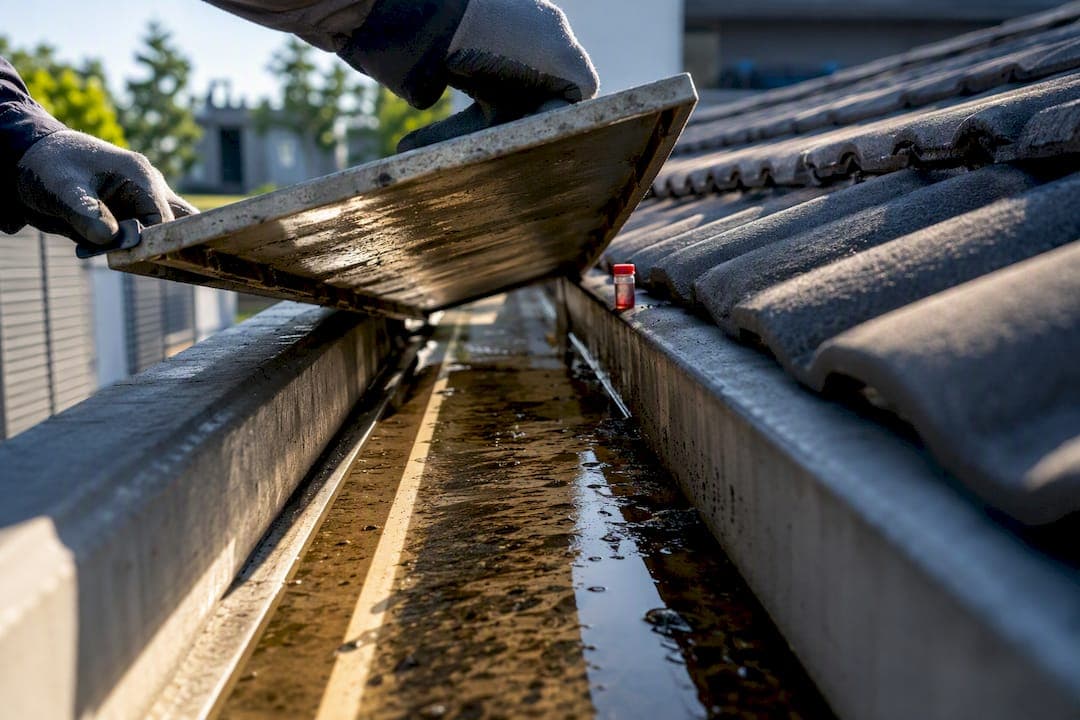
A first conviction for mosquito breeding under Singapore's Control of Vectors and Pesticides Act carries a fine or imprisonment up to the statutory maximum, which can be substantial. Most cases never reach that point. The National Environment Agency typically issues a composition fine for mosquito breeding offences, which allows settlement without court proceedings. If officers find breeding on your premises, cooperate fully, leave the sample site untouched, keep every document you receive, and arrange remediation promptly.
TL;DR:
- Most mosquito breeding cases in Singapore are resolved through composition fines, which are set significantly lower than the statutory legal maximum fines and imprisonment limits.
- NEA inspections follow a strict process where officers identify themselves, observe and sample breeding sites, and send larvae samples for laboratory confirmation before issuing official notices.
- Repeat offenses, such as discovering multiple breeding sites or reoffending after warnings, trigger higher composition fines and can escalate to court cases with potentially higher penalties.
- Enforcement typically takes several months from detection to official notification, and owners can dispute notices by submitting evidence of remediation and requesting reviews through official channels.
- Preventative measures like regular water container maintenance, clearing blocked drains, and inspecting common areas can block nearly all breeding sites before inspectors arrive.
Table of Contents
- Understanding NEA Mosquito Breeding Penalties Under the Law
- What Happens During an NEA Mosquito Inspection
- Composition Fines Versus Court: How Penalties Escalate
- How Long Enforcement Takes and What to Do If You Suspect an Error
- Reporting Mosquito Breeding and Responding to an Inspection
- Preventing Mosquito Breeding Before NEA Ever Knocks
- A Local Provider's View on Enforcement and Prevention
- Get an NEA-Aware Inspection Before It Becomes a Fine
- Where to Verify These Penalties Yourself
- Sources
- FAQ
Understanding NEA Mosquito Breeding Penalties Under the Law
The Control of Vectors and Pesticides Act sets the outer limits of what a court can impose, though NEA rarely pushes a case that far. Knowing the statutory ceiling still matters, because it explains why NEA's warnings carry real weight and why repeat offenses escalate so quickly.
The penalty bands break down like this:
- First conviction: fine or imprisonment up to specified statutory limits
- Repeat conviction: higher fines or imprisonment terms up to statutory limits
- Certain Section 17 offenses: higher caps apply as defined by the statute
The statutory maximum fines and imprisonment terms serve as the upper legal limits for first mosquito-breeding convictions. That figure sits at the far end of the enforcement spectrum. In practice, NEA resolves the overwhelming majority of cases through composition, a mechanism that lets an offender pay a fixed sum instead of appearing in court. The gap between the legal ceiling and the everyday composition sum is intentional. It gives NEA room to escalate hard when a household ignores repeated warnings or lets breeding continue after a legal notice.
What Happens During an NEA Mosquito Inspection
NEA officers do not fine you on the spot, and they will not ask for cash or a bank transfer during a visit. The inspection process follows a fixed sequence designed to keep evidence clean and verifiable.
- The officer identifies themselves and requests access to check for standing water and breeding habitats.
- If larvae or pupae are found, the officer shows you the habitat directly.
- Samples go into a sealed vial in your presence, then travel to a laboratory for species confirmation.
- The officer records your particulars as the accountable occupier or owner.
- If the lab confirms Aedes breeding, NEA sends an official notice by mail, often including a composition fine offer.
Pro Tip: Photograph the inspection site yourself before officers arrive at the vial-sealing stage, and note the time and officer's name. If a dispute arises later, your own timestamped record backs up your account of what was found and where.
Composition Fines Versus Court: How Penalties Escalate
Composition is NEA's default tool. It resolves a case quickly and keeps it out of court, provided the offender pays within the stated window. Since 15 July 2020, NEA raised the composition sums that apply in specific aggravating situations, including:
- Multiple mosquito-breeding habitats discovered within the same premises during one inspection
- Breeding found again after a legal notice was already issued for the same location
Officials introduced these higher sums specifically to discourage repeat offenders, tying the change to rising dengue case numbers at the time. Cases move to prosecution when someone declines the composition offer, ignores repeated notices, or the offense is judged serious enough to warrant a court outcome. Electing to fight a case in court carries its own risk: reporting on past convictions shows that final fines after trial can exceed the original composition sum offered, since a judge sets the penalty within the full statutory range rather than the administrative baseline.
How Long Enforcement Takes and What to Do If You Suspect an Error
Enforcement rarely moves fast. Lab confirmation of larvae or pupae samples takes time, and NEA also needs to correctly identify the accountable person or entity before issuing anything official. A parliamentary reply from the Ministry of Sustainability and the Environment confirms the process can span several months from detection to enforcement notice, and that administrative errors are rare in relation to the total fines issued.
If you believe a notice was issued incorrectly:
- Keep every record from the inspection, including dates, officer names, and photographs
- Request clarification or a formal review directly through NEA's stated channels
- Provide evidence of remediation already completed, which can support your case during a review
Reporting Mosquito Breeding and Responding to an Inspection
Suspect a neighbor's unit, a construction site, or a common area is breeding mosquitoes? Report it through the myENV app or NEA's official reporting channels, including the location, photos if safe to take, and the approximate time you noticed the issue.
If you're the one being inspected:
- Let the officer complete the inspection without interference and avoid disturbing the suspected breeding site beforehand.
- Allow sample collection; the vial is sealed in front of you as standard procedure.
- Ask for the officer's name and note the date and time of the visit.
- Keep any mail, notice, or receipt NEA sends afterward.
- Start removing standing water immediately and alert your town council or management corporation if the issue involves shared or common property.
Preventing Mosquito Breeding Before NEA Ever Knocks
Most enforcement visits trace back to the same handful of overlooked spots. A short weekly routine closes off nearly all of them:
- Empty and scrub pails, vases, and plant saucers every few days
- Clear blocked drains and roof gutters where water pools after rain
- Cover water storage containers tightly
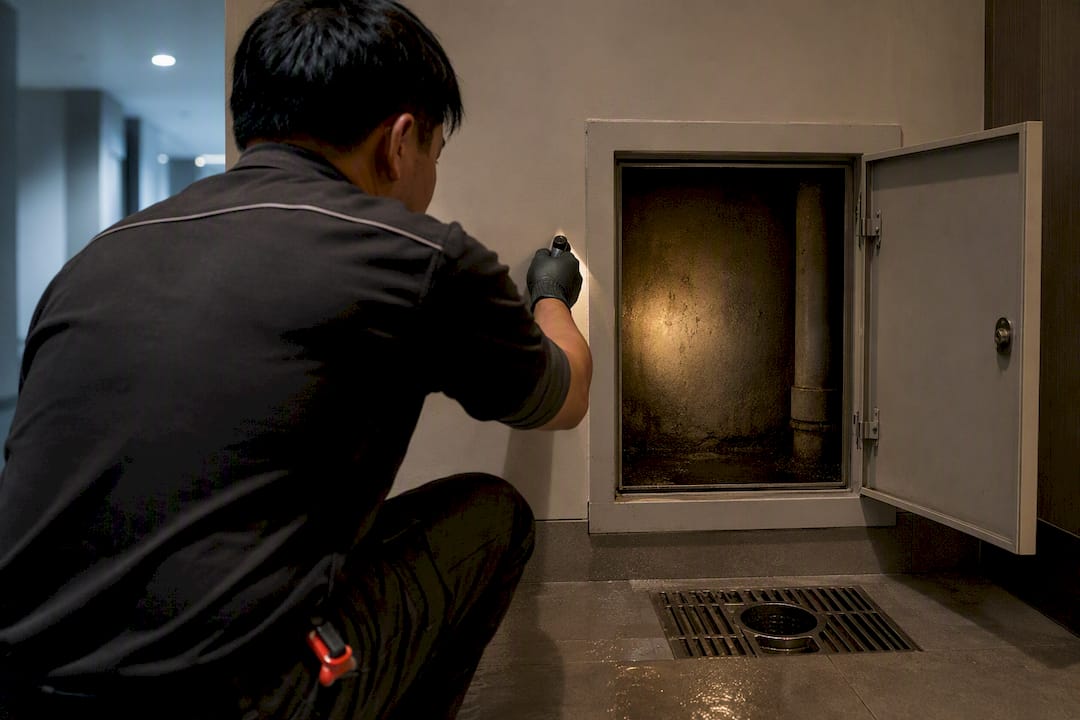
- Check toilet bowls and floor traps in units left vacant for stretches
- Turn over or discard containers that collect rainwater outdoors
Pro Tip: Set a recurring weekly reminder on your phone for a five-minute walkaround. Most infestations we hear about started as a single forgotten container that sat undisturbed for two weeks, which is exactly the breeding cycle of Aedes mosquitoes.
Hiring a licensed professional makes sense once prevention alone isn't cutting it. That applies if you've received repeated notices, if breeding sites sit in hard-to-access areas like roof gutters or service ducts, if the issue involves shared common property in a condo or industrial site, or if you need a documented inspection report to show NEA that remediation genuinely happened. A firm like Bespoke Enviro Services, familiar with NEA's inspection standards, can identify habitats a resident might miss and produce records that carry weight if enforcement follows.
A Local Provider's View on Enforcement and Prevention
NEA's enforcement exists to protect public health, not to catch people off guard. The pattern we see most often isn't first-time carelessness. It's repeat breeding in common areas nobody wants to claim responsibility for, or construction sites where water management falls through the cracks between contractors. The sealed-vial, lab-confirmed process gives residents a fair shake, and documented remediation genuinely helps when a follow-up inspection happens. Treat the first notice as the only warning you need.
— Bespoke-Enviro Services
Get an NEA-Aware Inspection Before It Becomes a Fine
Professional pest control firms can provide a documented paper trail the moment you need one, not after a second notice arrives. Experienced technicians inspect for the exact habitats NEA officers check, using non-toxic, IPM-based methods safe for households and common areas, and deliver a written report you can show a town council, management agent, or NEA itself if questions come up later.

Book us when you've had a prior notice, when breeding keeps returning in shared spaces you can't fully control, or when you simply want confirmation that your property is clear before dengue season peaks. Request an inspection through our general pest control service page, and we'll walk your property, flag standing-water risks, and leave you with documentation worth having on file.
Where to Verify These Penalties Yourself
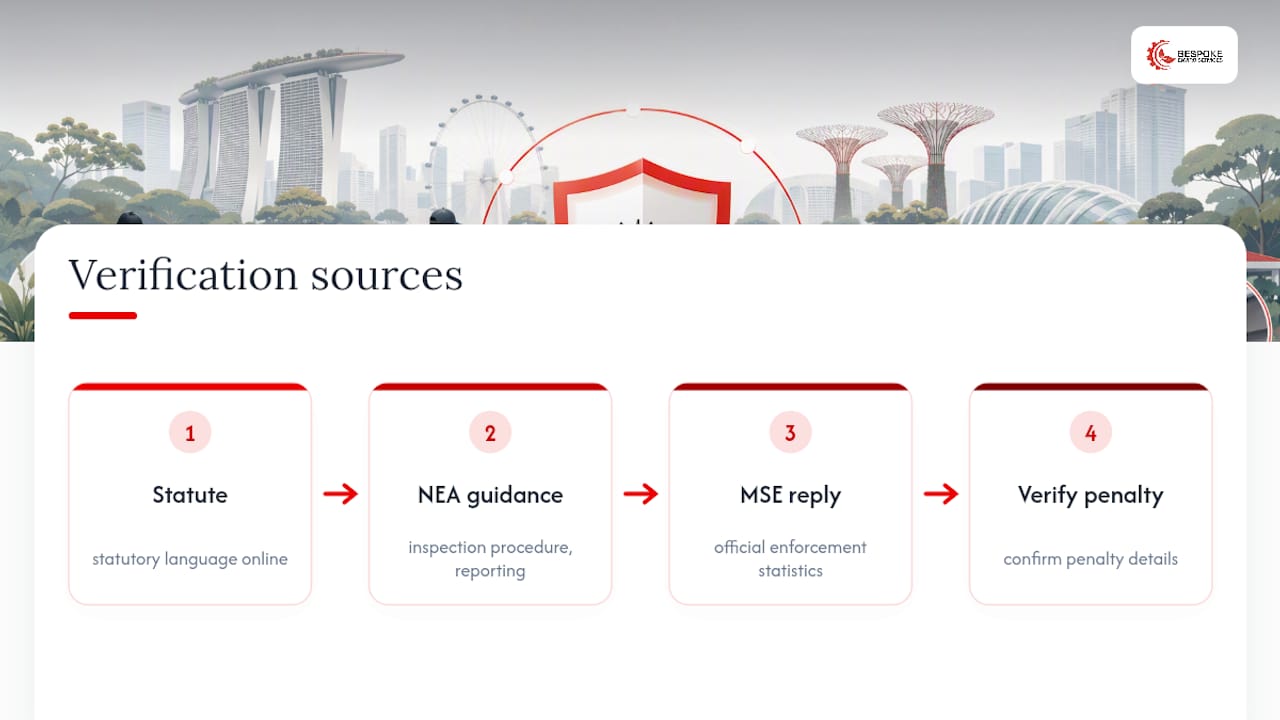
For the exact statutory language, read the Control of Vectors and Pesticides Act directly on Singapore Statutes Online. NEA's own inspection guidance page covers procedure and reporting channels, while the Ministry of Sustainability and the Environment's parliamentary reply provides enforcement statistics straight from official records.
This article is general information, not a substitute for advice from a qualified lawyer. Consult a qualified legal professional about your own circumstances before acting on anything here.
Sources
- Control of Vectors and Pesticides Act 1998 - Singapore Statutes Online
- Inspecting your homes and premises for mosquito habitats - NEA
- Oral Reply to Parliamentary Question on Mosquito Breeding Fines - Ministry of Sustainability and the Environment
FAQ
What is the penalty for mosquito breeding in Singapore?
A first conviction can bring a fine up to $5,000, imprisonment up to 3 months, or both, though NEA usually resolves cases through a composition fine instead of prosecution.
How can I report mosquito breeding in Singapore?
Use the myENV app or NEA's official reporting channels, and include the location, photos if you can safely take them, and the time you spotted the issue.
Can NEA officers enter your house?
NEA officers can request entry to inspect for breeding habitats and will identify themselves first; they collect any samples in a sealed vial in your presence rather than issuing fines on the spot.
Can mosquitoes be breeding in my house even if it looks clean?
Yes. Common overlooked spots include toilet bowls in vacant units, floor traps, plant pot saucers, and blocked gutters, all of which can hold standing water for the roughly week-long Aedes breeding cycle without any visible mess.