
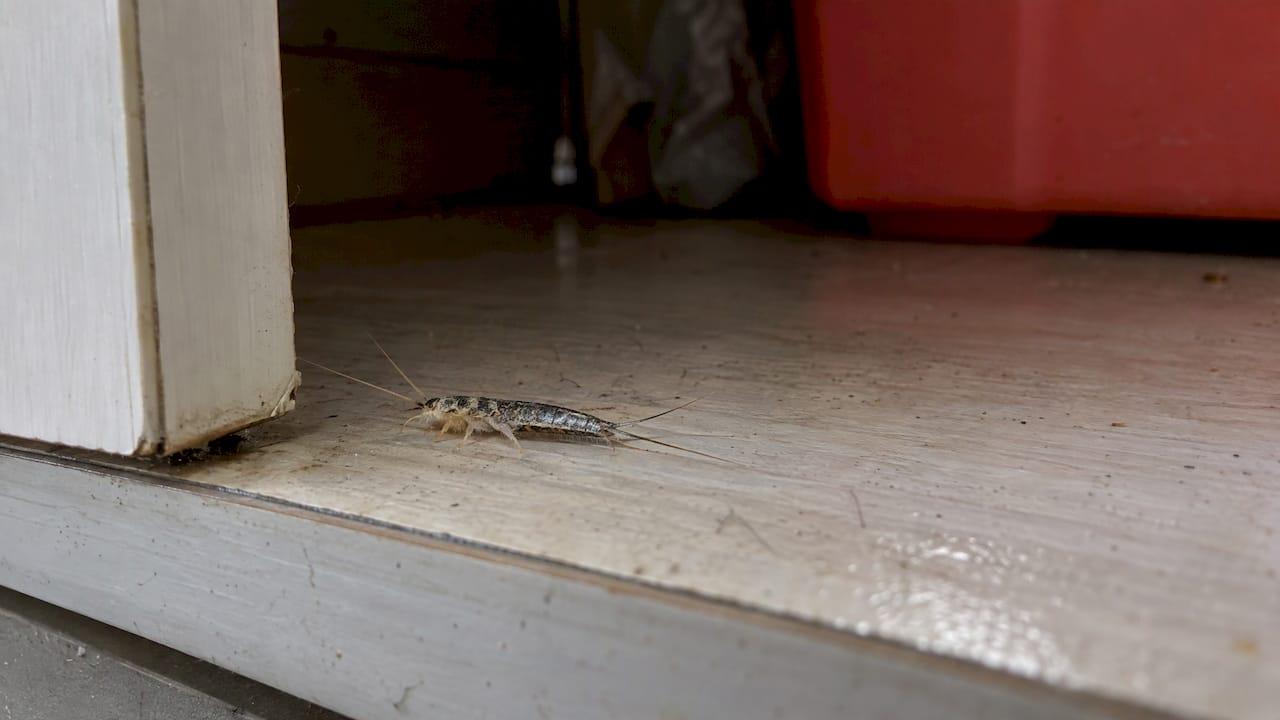
Silverfish thrive in Singapore because our homes are warm and humid, and they hide in the dark corners where paper, cardboard and fabric are stored. To get rid of them, you need three things: find where they are active, remove the moisture and food that sustain them, and bring in a professional when sightings continue or keep coming back. This guide covers all three, from how to recognize silverfish to what a sound treatment plan looks like.
TL;DR
- Silverfish are wingless, silver-colored, nocturnal insects that hide in cracks by day and feed on paper, fabric and starchy food.
- Humidity is the root cause in Singapore. Dry out bathrooms, wardrobes, storerooms and bookshelves first.
- Sealing cracks, storing paper in lidded plastic boxes and clearing clutter removes both hiding places and food.
- A few silverfish in a bathroom may not need treatment. Repeated sightings, damage to documents or clothes, or a return after DIY efforts call for a professional.
- We use non-toxic, integrated pest management (IPM) methods through NEA-licensed technicians, so people and pets stay safe.
Table of Contents
- How to recognize silverfish
- Why silverfish settle in Singapore homes
- What you can do yourself first
- When to call a professional
- What a good silverfish treatment plan includes
- Our perspective
- Prevent silverfish from returning
- Silverfish control with Bespoke Enviro
- FAQ
- Sources
How to recognize silverfish
Silverfish are wingless, silver-colored insects roughly 1/2 to 3/4 inch long, or about 1.3 to 1.9 cm. They are active at night and spend the day in cracks and crevices, which is why many residents only notice one when they switch on a bathroom light or move a box.
A single sighting tells you little. The better evidence is what they leave behind. According to NC State Extension, populations are often small and scattered, so it pays to look for feeding evidence such as:
- damaged paper or fabric
- contaminated food
- scales, cast skins or fecal spots
Walk through your home with a torch after dark. Check behind bookshelves, inside the bottom of wardrobes, under the sink, along skirting boards and in storerooms where rarely used items sit. Note where you see activity, because treatment works best when it is aimed at those spots rather than sprayed everywhere.
Silverfish or something else?
Not every small insect in a Singapore flat is a silverfish. Chewed packaging and droppings in the kitchen may point to other pests, and bites on skin at night point elsewhere. If you wake with bites, read about bed bug control, since silverfish do not bite people. If you see chewed wiring or larger droppings, that is a job for rodent control. Our technicians identify the pest first, because the right treatment depends on it.

Why silverfish settle in Singapore homes
Silverfish prefer cool, damp places. NC State Extension notes they are often found in bathrooms, basements, bookshelves and storage areas where items are rarely moved. Singapore's climate gives them year-round humidity, and Selleys Singapore points out that our humid climate makes homes particularly vulnerable to infestations.
How they get in
Health Canada explains that silverfish can hitchhike into homes on food, furniture, old books, papers and old starched clothing. In practice, a box of old textbooks from a relative's store, a second-hand bookcase or a carton of documents from a previous office can bring them in.
They are also drawn to new buildings where walls are still damp from plaster and green lumber, according to the same Health Canada guidance. If you have just collected keys to a new unit or finished renovations, keep an eye on wardrobes and cabinets in the first months. A thorough property inspection checklist helps you spot damp patches and gaps before you move belongings in.

How long they have been there
Silverfish populations grow slowly. Health Canada states that a large infestation in a house usually means they have been present for a long time, and that they can survive many months without food. Two practical points follow:
- If you see many of them, assume the problem is established and look for the source of moisture.
- Removing food alone will not starve them quickly. Moisture and hiding places must be dealt with too.
What damage they cause
Silverfish do not bite or spread disease in the way some pests do, but they damage what you value. They feed on paper, glue, book bindings, photographs and some fabrics, and they contaminate dry food such as flour and cereal. Families with archives, collectors, offices with filing rooms and shops with stock in storage tend to feel the cost most.
What you can do yourself first
In a light or early infestation, household measures reduce numbers and make a later professional treatment more effective. Start with the cause.
Step 1: bring humidity down
Because silverfish depend on moisture, humidity control is the foundation of any plan in Singapore. These steps work with the climate rather than against it:
- Fix leaking taps, pipes and under-sink drips promptly. Selleys recommends fixing leaking taps as part of keeping spaces dry.
- Run a dehumidifier in the rooms where you store paper and clothes, especially in the wet season.
- Use an exhaust fan or open windows in bathrooms, kitchens and laundry areas to clear steam.
- Place desiccant packs or moisture-absorbing tubs in wardrobes, shoe racks and cabinets. Selleys suggests a desiccant dehumidifier for wardrobes, cupboards and bathrooms.
- Refresh silica gel once it saturates, or it stops working.
Step 2: remove food and paper clutter
Silverfish eat starch. Cut their supply:
- Keep flour, cereal, pasta and other dry foods in sealed containers.
- Replace cardboard boxes with plastic containers with tight lids for books, documents and photographs.
- Clear piles of old newspapers, magazines and cardboard.
- Vacuum regularly, running the nozzle along skirting boards and into cracks.
Step 3: seal hiding places
Silverfish need dark gaps to rest and lay eggs. Seal cracks around skirting, pipes and cupboards with filler or caulk. Gaps around pipes can be packed and then sealed. When you seal, you remove shelter, and the insects that remain become easier to find and treat.
Household products: use with care
Many households try traps, powders or sprays. A few points keep this safe:
- Food-grade diatomaceous earth is a dry powder that damages the insect's outer coating. Apply it thinly in cracks and along baseboards, and reapply if it gets wet or after cleaning.
- Boric acid acts differently and keeps working in damp areas, but it must be kept out of reach of children and pets.
- Shop-bought insecticides must be used exactly as the label directs, away from children, pets, food and bedding.
- Essential oils such as cedar or lavender are widely suggested as repellents. They may make an area less attractive, but they are not a treatment for an established infestation.
If you have young children, pets, or someone with asthma at home, ask a professional before applying powders or sprays in bedrooms and living areas.
When to call a professional
A few silverfish in a bathroom may not need treatment on their own. Call a professional when:
- you keep seeing silverfish despite your own efforts
- activity continues near valuable books, documents or clothing
- they are in hard-to-reach places such as behind built-in cabinets, inside walls or under flooring
- the problem returns after you thought it was solved
- you are managing a shop, office, warehouse or rental property where stock or records are at risk
In Singapore, pest control is a licensed industry. The National Environment Agency Act 2002 lists licensing, consultancy and promoting professionalism in pest control among NEA's functions. Our technicians are NEA-licensed, and it is reasonable for any household or business to expect the same from whoever enters their premises.
What a good silverfish treatment plan includes
A treatment that only sprays visible insects will not last. A sound plan follows integrated pest management (IPM), which combines inspection, moisture and sanitation advice, physical measures and targeted treatment. In our work, this means:
- Inspection. We locate activity, harborage and the moisture source. We use advanced tools, including thermal imaging, to inspect for hidden problems where it is useful.
- Identification. We confirm the pest, because silverfish look similar to other insects and the approach differs.
- Targeted treatment. We treat the areas where silverfish are active, using non-toxic, environmentally conscious methods that prioritize the safety of people and pets.
- Proofing advice. We point out cracks to seal, storage to change and humidity to manage.
- Follow-up. Because silverfish breed slowly but can hide well, a return visit confirms that activity has stopped.
What affects the price
Silverfish control prices in Singapore vary, and we do not publish a fixed price for it. The main factors are the size of the property, how many rooms are affected, how long the infestation has been there, how hard the hiding places are to reach, and whether you need a one-time treatment or an ongoing maintenance contract. We inspect first and then give you a quote that matches the work needed.
For landlords and tenants, who pays is often a question too. Our guide on tenancy clauses and pest control costs explains how lease terms usually decide this.
Our perspective
Silverfish are a moisture problem first and an insect problem second. In Singapore's climate, a spray alone rarely solves it, because the damp corners and cluttered storage that attracted them are still there afterward.
That is why we approach silverfish through integrated pest management. We inspect, find the activity, treat where it is, and advise on humidity, storage and sealing so the result lasts. Our methods are non-toxic and environmentally safe, designed with families and pets in mind.
With more than 30 years in pest management in Singapore, we have worked in homes, offices, industrial sites and construction environments. Our technicians are NEA-licensed, and we are available 24/7 when you need us.
Bespoke-Enviro Services
Prevent silverfish from returning
Once activity has stopped, habits keep it that way. In Singapore, the long-term plan is largely about humidity and storage.
- Keep humidity down year-round. Run dehumidifiers in the wet season and check them regularly. Keep wardrobes and cabinets from becoming sealed damp boxes.
- Store smart. Keep books, documents, photo albums and seasonal clothes in plastic boxes with lids. Avoid stacking cardboard on floors or against damp walls.
- Keep food sealed. Starchy dry goods go into airtight containers.
- Inspect after change. After renovation, moving house, flooding or a plumbing leak, check storage areas within a few weeks.
- Be careful with second-hand items. Inspect old books, boxes and furniture before they enter bedrooms or storerooms.
- Maintain. Seal new cracks as they appear and repair leaks as soon as you see them.
For businesses and property managers
Offices, archives, retail storerooms and rental units face the same problem at greater scale. A written inspection routine for storage areas, a humidity check in each season and a contract with a licensed provider reduce risk to stock and records. We offer general pest control and ongoing maintenance contracts that fit this need.
Silverfish control with Bespoke Enviro
If silverfish keep appearing in your home, shop or office, our team can inspect, identify the cause and treat it with non-toxic, IPM-based methods. We serve residential, commercial, industrial and construction clients across Singapore, and we also deal with termites, rodents, bed bugs, cockroaches, flies, mosquitoes and pest birds.
Request an inspection through our general pest control service, or reach us from the Bespoke Enviro home page.

If the damage you find looks like something more serious, such as wood that sounds hollow or mud trails on walls, that points to termites. Read about our termite control service.
FAQ
Are silverfish harmful to people?
Silverfish do not bite people. The harm they do is to property: paper, book bindings, photographs, some fabrics and dry food. Seeing them often is also a sign of excess moisture in the home, which is worth fixing for its own sake.
Why do I keep seeing silverfish in my bathroom?
Bathrooms are damp, dark and full of gaps behind tiles, cabinets and pipes, which suits silverfish. Improve ventilation, repair leaks, and seal cracks. If they continue after that, a professional inspection can locate where they are coming from.
Can I get rid of silverfish with home remedies alone?
Home measures reduce moisture, food and hiding places, and they help in light cases. Persistent or widespread activity, especially near valuable documents or clothing, is best handled by a licensed professional. Always follow product labels and keep powders and sprays away from children and pets.
How long does it take to clear a silverfish problem?
It depends on how long they have been established. Because infestations usually develop slowly, they are often present for a long time before they are noticed, so a follow-up visit and moisture control are part of lasting results. Your technician can advise after inspection.
Does Bespoke Enviro treat silverfish in homes with pets and children?
Yes. We use non-toxic, environmentally safe methods that prioritize the safety of people and pets. Tell us about children, pets or health conditions at home when you book, and we will plan the treatment around them.
Sources
- Silverfish and Firebrats, NC State Extension Publications
- Silverfish and Firebrats, Health Canada
- What Are Silverfish: Signs and How To Get Rid Of Them, Selleys Singapore
- National Environment Agency Act 2002, Singapore Statutes Online
- Property Inspection Checklist for Singapore Buyers