
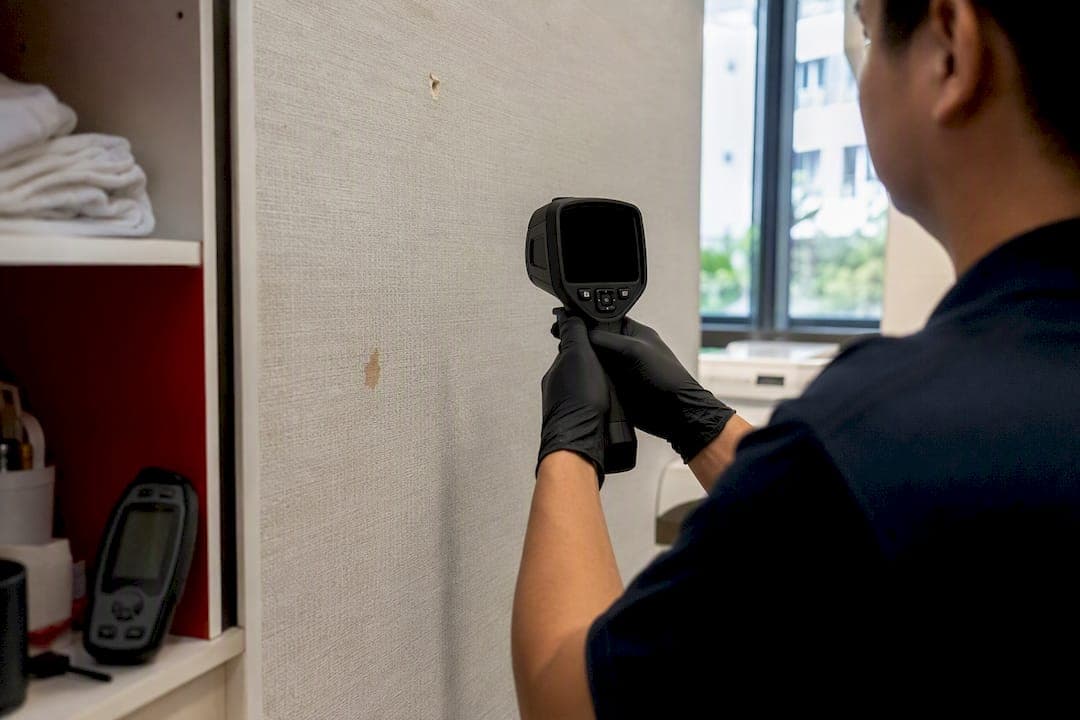
Yes, thermal imaging can reveal heat and moisture anomalies consistent with termite activity behind walls, but it cannot photograph individual insects or see through solid surfaces. A thermal camera reads surface temperature differences caused by what's happening underneath, not the pests themselves. That distinction shapes everything about how we use this technology at Bespoke-enviro.
Two patterns show up most often on a thermogram:
- Drywood termite colonies tend to create small, localized warm patches where feeding activity and moisture changes alter how heat moves through the wood.
- Subterranean termite activity often shows up as cooler, moister zones near slab edges, baseboards, or plumbing penetrations, where colonies bring moisture up from the ground.
Every anomaly the camera flags needs confirmation with a moisture meter, physical probing, or a borescope before anyone recommends treatment. A warm patch on a screen is a lead, not a diagnosis.
TL;DR:
- Thermal imaging patterns vary: drywood termites produce localized warm patches, while subterranean termites often create cooler, moist zones near foundations.
- Accurate detection requires a differential of at least 10°F between interior and exterior surfaces, with conditions like sunlight and plumbing affecting results.
- Every anomaly flagged by a thermal camera needs confirmation through moisture meters, borescopes, or probing before concluding termite activity.
- Trained verification that combines thermal scans with physical tests and imaging is essential for reliable diagnosis, not just the thermogram alone.
- Homeowners should prioritize inspector expertise and layered corroboration over the camera's visual impressions for effective termite detection.
Table of Contents
- How Thermal Imaging for Termites Actually Works
- Conditions That Make or Break an Accurate Scan
- What a Professional Thermal-Aided Inspection Looks Like
- Reading the Results: What Happens After an Anomaly Shows Up
- When to Bring In a Trained Pest Professional
- Key Takeaways
- Why Homeowners Should Trust the Scan Less Than the Follow-Up
- Get a Thermal-Aided Termite Inspection Done Right
- Sources
How Thermal Imaging for Termites Actually Works
A thermal camera doesn't "see" termites. It measures infrared radiation emitted from a surface and converts those readings into a false-color image, where warmer areas typically appear as red or orange and cooler areas as blue or purple. What makes this useful for termite detection is what happens underneath that surface: active colonies disturb normal heat flow and moisture distribution in a wall or floor assembly, and that disturbance shows up as a measurable temperature shift on the surface above it.
Three mechanisms drive the patterns inspectors look for:
- Metabolic and moisture activity from a colony changes local humidity, and damp wood conducts and radiates heat differently than dry wood.
- Void creation from tunneling and galleries alters insulation value, so heat passes through damaged wood faster or slower than the surrounding intact material.
- Material variation affects how visible these patterns are. Drywall and thin plaster reveal a strong signature. Thick masonry or heavy timber absorbs and disperses heat before it reaches a detectable differential.
Drywood termites tend to generate concentrated warm patches localized to active galleries, while subterranean termites, which need soil contact for moisture, more commonly produce cooler, damp-looking zones near foundations. Termike's technical breakdown of these signature differences is worth understanding if you're evaluating an inspection report, since the two patterns point toward different treatment strategies entirely.
Conditions That Make or Break an Accurate Scan
Thermal imaging performs well under the right conditions and poorly under the wrong ones, and most homeowner disappointment with this technology traces back to conditions, not the camera itself.
A meaningful scan generally needs a measurable temperature difference between interior and exterior surfaces to make subsurface anomalies visible. Scan a wall on a mild, overcast afternoon with no differential, and even an active colony may not register.
Watch for these common complications:
- Time of day and solar gain: a wall heated by direct afternoon sun can mask or mimic a termite signature for hours afterward.
- HVAC vents and ductwork: airflow behind a wall creates thermal patterns that look remarkably similar to moisture intrusion.
- Plumbing lines: a hot or cold water pipe running through a stud bay is one of the most frequent false positives in residential scans.
- Reflective and metallic surfaces: these distort emissivity readings and can produce misleading temperature values.
Pro Tip: If your inspector schedules a scan for midday in direct sun, ask them to reschedule. Early morning or evening, when solar heating has settled, usually produces cleaner, more reliable readings.
Thermal imaging works best as one input among several, never as a standalone verdict on whether termites are present.
What a Professional Thermal-Aided Inspection Looks Like
A credible inspection follows a sequence, not a single scan-and-report step. Here's what that process typically involves.
- Visual baseline inspection. The inspector documents visible damage, mud tubes, frass, or conducive conditions like moisture intrusion before ever turning on a thermal camera.
- Systematic thermal scan. Interior walls, attic framing, crawl spaces, and slab edges get scanned methodically, since these are the areas where termites most commonly enter and travel.
- Anomaly flagging. Any temperature or moisture pattern outside the expected range gets marked for follow-up rather than treated as confirmed activity.
- Corroboration. This is where the real diagnostic work happens.
Verification tools commonly used alongside the camera include:
- A moisture meter to confirm elevated moisture readings at a flagged location
- UV tracking dye or tracers in some commercial applications to trace movement patterns
- Calibrated probing with a screwdriver or awl to test wood density and hollowness
- A borescope for a direct visual look inside a wall cavity through a small access point
- Acoustic or movement detectors that pick up feeding sounds or vibration in quiet conditions
Layered confirmation exists because a single tool, used alone, produces too many false positives to be actionable. Combining infrared with moisture and physical verification is what turns a color pattern into a defensible finding, as Infrared Training's guidance on thermography workflows makes clear.
When corroboration confirms activity, some inspectors drill tiny probe holes for fiber-optic confirmation, a minimally invasive step that leaves virtually no cosmetic damage. A complete report should include annotated thermograms, notes on every corroborating test performed, and, where treatment follows, post-treatment images showing the anomaly has resolved.
Reading the Results: What Happens After an Anomaly Shows Up
Not every warm or cool patch means termites, and how you respond depends entirely on what the corroborating tests show.
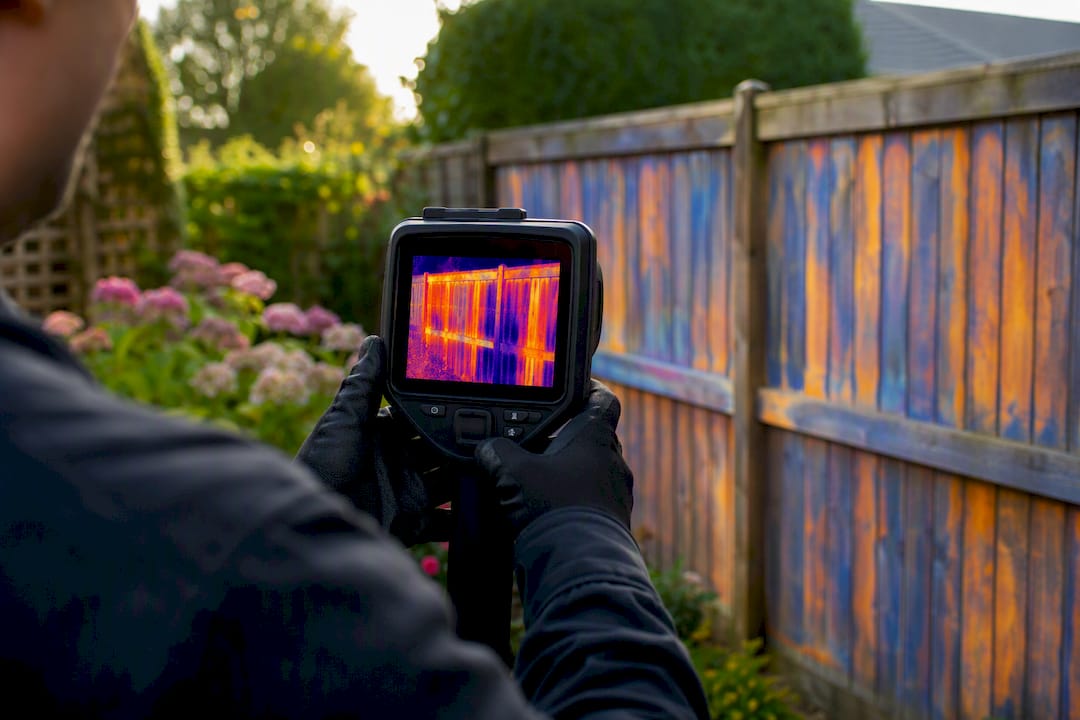
If a moisture meter and probe confirm elevated moisture and soft, hollowed wood at the flagged spot, the diagnosis shifts from "possible" to "active," and urgency changes accordingly. If those follow-up checks come back clean, an inspector will typically log the anomaly and recommend monitoring rather than immediate treatment.
Confirmed activity generally leads to one or more of these paths:
- Targeted, non-toxic treatment applied directly to the confirmed zone rather than broad chemical application across the structure
- Baiting systems for subterranean colonies, which work over weeks to reduce the broader colony rather than just the visible entry point
- Structural repair where galleries have compromised load-bearing wood
- Moisture remediation, since damp conditions that attracted termites in the first place will invite them back if left unaddressed
Thermal imaging also plays a role after treatment. A follow-up scan showing that the original anomaly has cooled or dried confirms the treatment reached its target. Inspection is rarely priced as a standalone line item. Most professional pest-management services bundle thermal scanning into a broader inspection package, with cost varying by property size and the complexity of the areas being checked.
When to Bring In a Trained Pest Professional
A thermal camera in untrained hands produces pretty pictures and unreliable conclusions. Interpreting a thermogram correctly requires understanding emissivity settings, material behavior, and how to rule out the false positives covered earlier, which is exactly why training matters as much as the equipment itself.
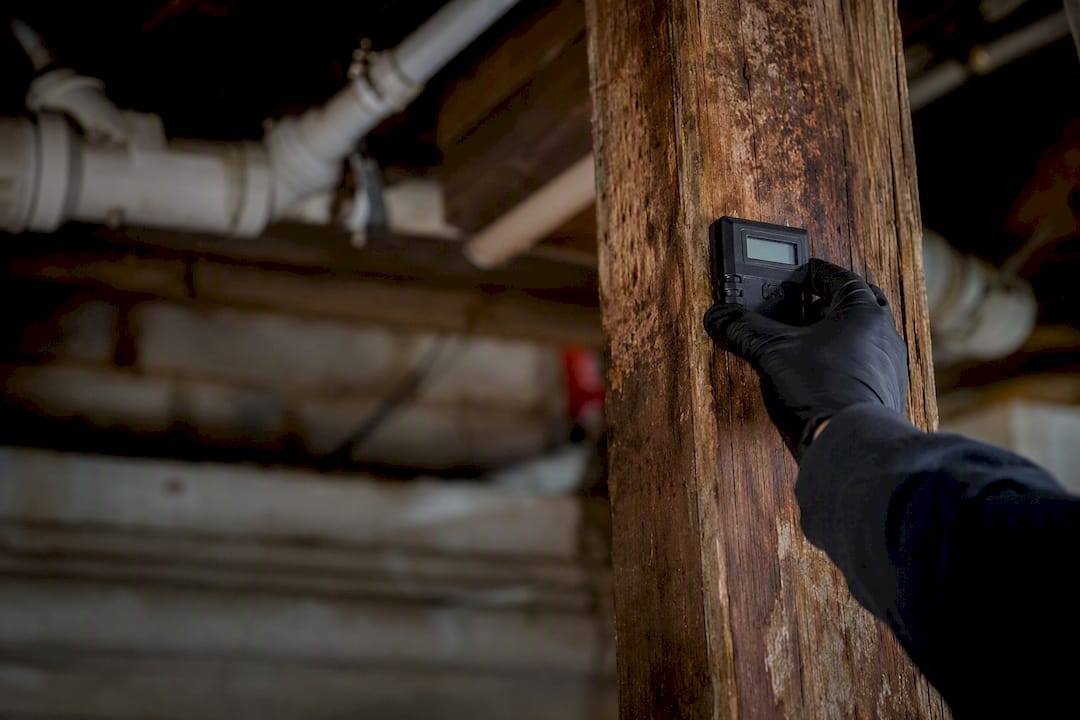
Bespoke-enviro has spent more than 30 years building eco-friendly, non-toxic pest management programs grounded in integrated pest management principles, and thermal imaging fits naturally into that approach because it supports targeted intervention instead of blanket chemical treatment. Our thermographers follow a corroboration process combining thermal scan, moisture or movement verification, and borescope or probing, with inspection reports documenting the sequence.
Before you hire anyone for a thermal-aided inspection, ask for:
- Evidence of thermography training or certification, not just camera ownership
- A sample report showing annotated thermograms alongside corroborating test results
- Confirmation that pre and post-treatment imaging will be part of the deliverable
- A clear explanation of which verification methods were used at each flagged location
Pro Tip: A report that shows only thermal images with no moisture readings or probe results should raise questions. Ask what corroboration was done before any anomaly was labeled "active."
Key Takeaways
Thermal imaging detects surface heat and moisture signatures linked to termite activity, but every finding requires physical corroboration before treatment begins.
| Point | Details |
|---|---|
| Camera shows patterns, not pests | Infrared reveals temperature differentials from moisture and voids, never individual insects directly. |
| Signatures differ by species | Drywood termites tend to create warm patches; subterranean activity often shows cooler, damp zones near slabs. |
| Conditions affect accuracy | A roughly 10°F interior-exterior differential is often needed for a scan to reveal reliable anomalies. |
| Always verify anomalies | Moisture meters, borescopes, and probing turn a thermal flag into a defensible diagnosis. |
| Bespoke-enviro applies layered verification | Our inspections combine thermal scanning with moisture and probe confirmation, backed by pre and post-treatment reporting. |
Why Homeowners Should Trust the Scan Less Than the Follow-Up
The biggest misconception about thermal imaging for termites is that the camera is the diagnosis. It isn't. It's a screening tool that tells an inspector where to look harder, and the real diagnostic value comes from what happens in the next ten minutes with a moisture meter or a borescope.
Conventional marketing around infrared inspection oversells the camera's certainty. A thermogram full of colorful patches feels conclusive, and that visual persuasiveness is exactly why some reports skip the corroboration step entirely. We think that's backward. The documented case history from FLIR on commercial adoption makes the same point implicitly: the value came from combining imaging with trained interpretation and verification, not from the camera alone.
If you take one thing from this guide, prioritize the inspector's verification process over the technology they carry. A trained thermographer with a mid-range camera and a rigorous corroboration habit will outperform an untrained operator with premium equipment every time.
— Bespoke-Enviro Services
Get a Thermal-Aided Termite Inspection Done Right
Reading a thermogram accurately takes training most DIY infrared attachments and rental cameras simply can't replace, which is exactly the gap Bespoke-enviro closes for homeowners and property managers who want a real answer instead of a guess.

Our inspections combine thermal scanning with moisture meters, probing, and borescope verification, and every report includes annotated thermograms alongside pre and post-treatment documentation so you can see exactly what was found and confirm the treatment worked. That layered approach, grounded in more than three decades of integrated pest management experience, means you're never left interpreting a colorful screenshot on your own. If a similar workflow appeals to you for other pest concerns, Bugs Patrol's termite service approach shows how structured inspection and treatment protocols play out in practice elsewhere.
If you've noticed warped drywall, hollow-sounding wood, or unexplained moisture near a slab edge, book a thermal-aided inspection with Bespoke-enviro and get a documented, verified answer instead of a guess.