
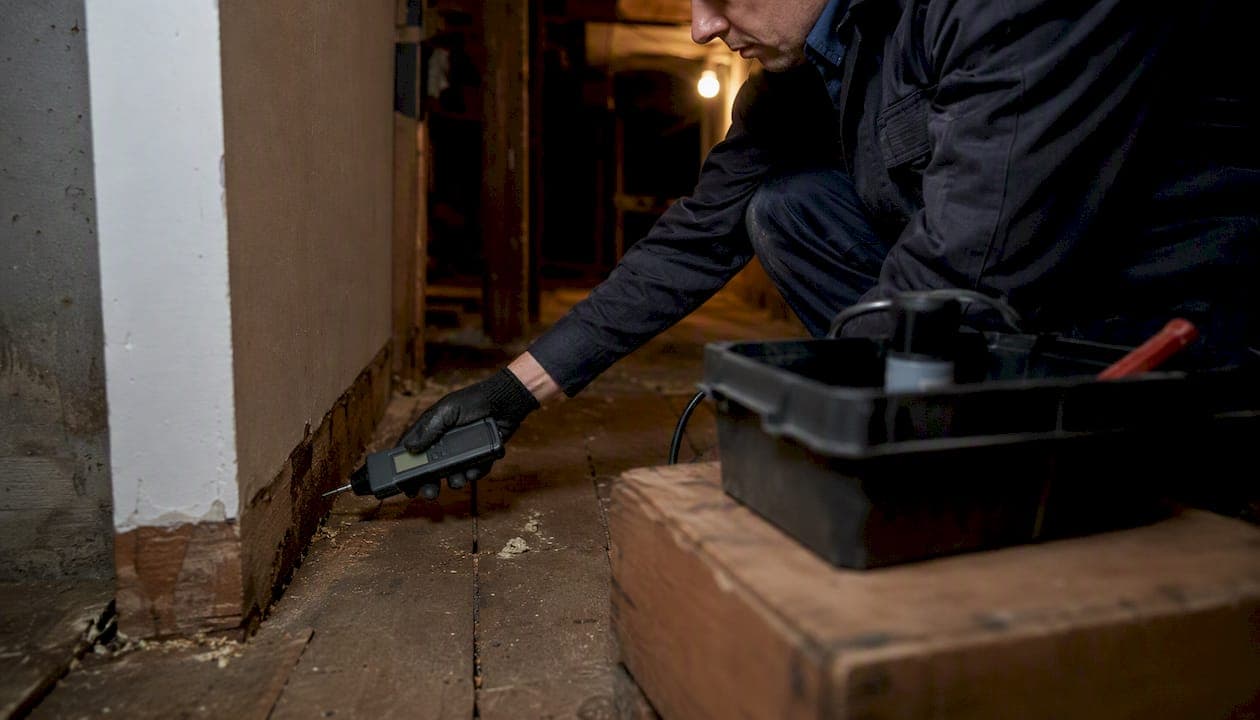
Termite treatment cost in Singapore typically runs in the range for spot/localized jobs, chemical soil barriers, and baiting systems, depending on property size and how far the colony has spread. A pre-treatment inspection costs S$60–S$200, though many operators waive that fee if you proceed with full treatment. For a landed property with a serious infestation, total corrective costs can reach S$5,500 once warranty and follow-up visits are factored in.
Here is what to do right now:
- Book an on-site inspection with an NEA-licensed Vector Control Operator before accepting any phone quote.
- Get 2–3 written, itemized quotes so you can compare treatment scope, not just the bottom-line price.
- Ask about warranty length (1–3 years is standard) and whether follow-up visits are included.
- Factor in repair costs. Untreated termite damage to timber framing or flooring can far exceed the cost of early treatment.
The single best next step is a licensed on-site inspection. Everything else, including the right treatment method and a fair price, follows from that.
Key Takeaways
Termite treatment cost in Singapore ranges from under S$350 for a contained spot job to S$5,500 or more for a full baiting and barrier program on a landed property, and the difference between a cheap quote and a costly repair bill usually comes down to the quality of the initial inspection.
| Point | Details |
|---|---|
| Core price bands | Inspection S$60–S$200; spot treatment S$180–S$350; soil barrier S$1,200–S$2,000; baiting system S$3,500–S$5,500. |
| Property type matters | Landed properties can reach S$5,500 for corrective work; HDB flats typically sit at the lower end of each band. |
| Warranty adds cost but transfers risk | A 3-year warranty often costs 15–30% more than a 1-year plan but protects you if the colony returns. |
| Itemized quote is non-negotiable | Verify NEA licence, treatment materials, visit count, and warranty terms in writing before signing anything. |
| Bespoke-enviro recommendation | Bespoke-enviro's IPM-based inspection and written warranty practice reduces total cost by addressing root conditions, not just the visible colony. |
Table of Contents
- What drives termite treatment costs in Singapore?
- What are the main termite treatment methods and their price bands?
- Sample prices by property type and infestation severity
- What should a termite treatment quote include, and how long does treatment take?
- How do you get an accurate quote and choose the right provider?
- Can you treat termites yourself?
- How Bespoke-enviro's IPM approach reduces long-term termite costs
- What on-site inspections actually reveal
- Bespoke-enviro: get a written quote from an NEA-licensed team
- Sources
What drives termite treatment costs in Singapore?
Price is rarely about the treatment alone. Four concrete factors move the number up or down more than anything else.
Property type and built-up area
HDB flats are smaller and more contained, so costs sit at the lower end of each treatment band. Condos vary widely by unit size and floor level (access to void spaces matters). Landed properties, particularly older terrace houses and bungalows with timber floors, tend to attract the highest quotes because the treatment perimeter is larger and structural access is more complex. Soil barrier treatments, for example, are priced partly by linear meters of perimeter treated, so a 3,000 sq ft landed home will cost meaningfully more than a 1,000 sq ft HDB flat.
Infestation severity and spread
A localized colony in one door frame is a spot treatment. A colony that has tracked through wall cavities, subfloor voids, or roof timbers requires a full barrier or baiting program. The difference in price between those two scenarios can be S$1,500 or more. Severity is something only an on-site inspection can confirm, which is why phone quotes are unreliable.
Access and site complexity
False ceilings, raised floor voids, dense landscaping adjacent to the structure, and furniture that cannot be moved all add labor time and, in some cases, require minor hacking work. If a technician needs to drill injection points through floor tiles or concrete, expect that to be itemized separately.
Treatment method, warranty, and follow-ups
Baiting systems require multiple site visits over months and carry ongoing monitoring costs. Soil barriers are typically a one-time application with a warranty period. A 3-year or insurance-backed warranty often costs 15–30% more than a standard 1-year warranty, but it transfers the recurrence risk away from you. That premium is usually worth it on a landed property where structural timber is at stake.
Pro Tip: Ask the operator to quote both a 1-year and a 3-year warranty option. The difference in price is often smaller than homeowners expect, and the longer coverage gives you leverage if the colony reappears.
NEA licensing
Only NEA-licensed Vector Control Operators are legally permitted to apply restricted-use termiticides in Singapore. Unlicensed operators cannot legally use the most effective chemical treatments, so their low quotes often reflect a genuinely inferior scope of work, not a bargain.
What are the main termite treatment methods and their price bands?
Each method suits a different infestation profile. Knowing which one your quote refers to is the fastest way to tell whether the price is reasonable.
Spot/localized treatment
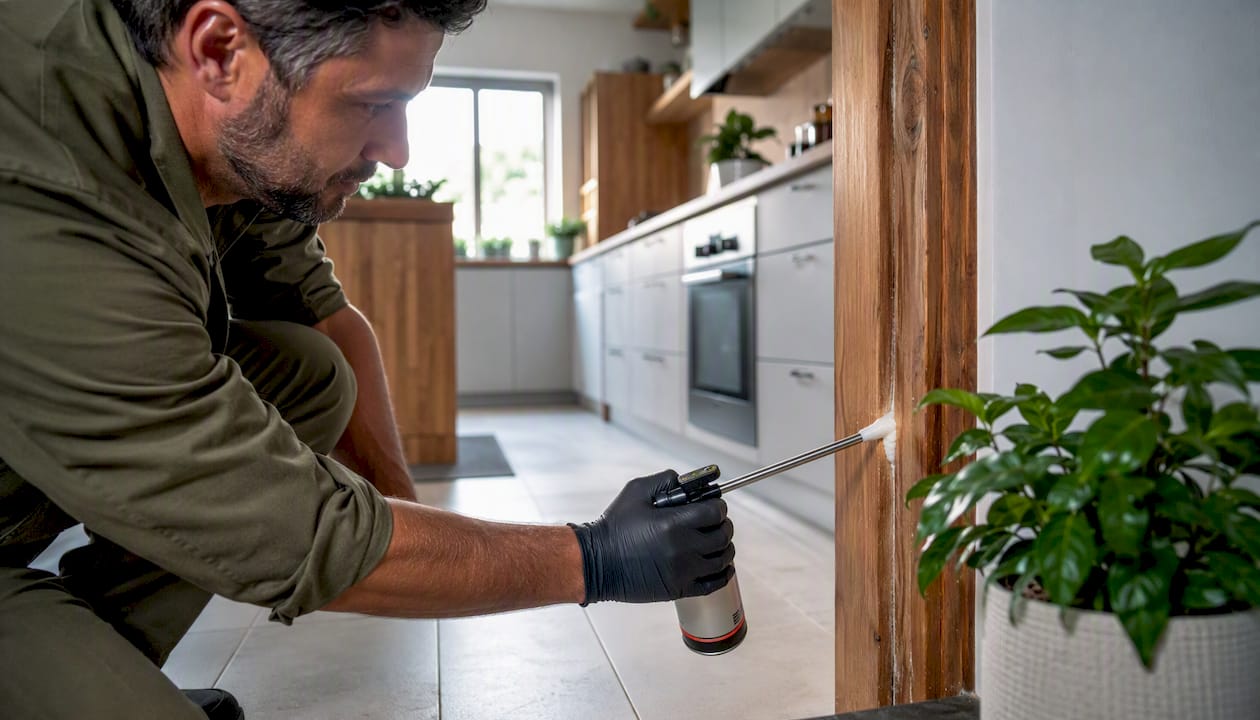
Applied directly to a visible, contained infestation, typically a single door frame, skirting board, or cabinet. Uses a targeted termiticide injection or foam. Fast, low-disruption, and the cheapest option, but only appropriate when the colony has not spread beyond the treated area.
Typical cost: generally falls within a mid-range fee per location.
Chemical soil barrier (soil drench/injection)
A liquid termiticide, such as Termidor, is injected into the soil around the building's perimeter or under the slab to create a treated zone that termites cannot cross without picking up a lethal dose. Residual performance can last several years when applied correctly by a professional. This is the most common corrective treatment for subterranean termite infestations in Singapore.
Typical cost: usually depends on perimeter length and soil access for chemical soil barriers.
Baiting systems (monitoring + bait stations)
Bait stations are installed in the ground around the property at regular intervals. Termites feed on the bait and carry it back to the colony, eventually collapsing it. This method takes longer (weeks to months) but is low-chemical and effective for widespread colonies. It requires scheduled monitoring visits, which are usually included in the contract price.
Typical cost: varies with the number of bait stations and monitoring duration.
Monitoring-only / preventive plans
For properties with no active infestation but a high-risk profile (older timber construction, adjacent greenery), some operators offer annual monitoring contracts with periodic inspections and early-intervention bait top-ups.
Typical cost: Varies by contract; often quoted as an annual fee.
Pre- and post-construction treatments
Soil treatment applied before a concrete slab is poured, or injected post-construction through the slab. Required or strongly recommended for new builds and major renovations. Pricing is typically quoted per square meter of treated area.
Here is a quick comparison of what each method's quote should include:
| Treatment type | Typical SGD range | Best suited for | Quote must include |
|---|---|---|---|
| Spot/localized | mid-range fee per location | Contained, visible infestation | Location count, materials used, warranty |
| Chemical soil barrier | S$1,200–S$2,000 | Subterranean/widespread infestation | Linear meters treated, termiticide brand, follow-up schedule |
| Baiting system | S$3,500–S$5,500 | Widespread colony, low-chemical preference | Number of stations, monitoring visits, warranty length |
| Monitoring/preventive | Annual contract | High-risk property, no active infestation | Inspection frequency, intervention trigger, annual fee |
| Pre/post-construction | Per sq meter | New builds, major renovations | Area treated, application method, compliance certificate |
Sample prices by property type and infestation severity
The table below maps treatment types to realistic price ranges for HDB flats, condos, and landed properties, drawn from local Singapore price guides.
A few realistic scenarios to calibrate your expectations:
Low case (S$350–S$600): A 4-room HDB flat with a localized infestation in one kitchen cabinet. Spot treatment, single visit, 1-year warranty. Inspection fee waived on proceeding.
Mid case (S$1,200–S$2,000): A condo unit with subterranean termites tracked through two rooms. Chemical soil barrier along the affected perimeter, two visits, 2-year warranty.
High case (S$3,500–S$5,500): A 30-year-old terrace house with widespread subterranean termite activity, timber flooring, and adjacent garden beds. Full baiting system plus soil barrier, quarterly monitoring, 3-year warranty.
On inspection fees: Many operators charge S$80–S$150 for a standalone inspection but waive it when you proceed with a full treatment. Always ask upfront. If an operator refuses to waive the inspection fee on a large job, that is worth noting when comparing quotes.
What should a termite treatment quote include, and how long does treatment take?
A quote that lists only a total price and a treatment type is incomplete. Before signing anything, the written quote should cover:
- Inspection findings: Which species, affected areas, and severity assessment.
- Scope of work: Exact treatment method, areas to be treated, and any preparatory work (drilling, furniture clearance).
- Materials: Brand name and concentration of termiticide, or bait product used.
- Number of visits: Initial treatment plus any follow-up applications or monitoring visits.
- Warranty terms: Duration (typically 1–3 years), what is covered (re-infestation vs. structural damage), and who performs warranty visits.
- Exclusions: What the warranty does not cover (pre-existing damage, areas not treated, adjacent structures).
Typical timelines
Spot treatments are usually completed in a single visit of 1–3 hours. Chemical soil barriers require one primary application visit, sometimes with a follow-up check at 30 days. Baiting systems run over a longer arc: stations are installed on the first visit, then monitored every 4–8 weeks until the colony is confirmed eliminated, which can take 3–6 months. Preventive monitoring contracts run annually with quarterly or semi-annual site visits.
Warranty lengths of 1–3 years are standard for corrective termite work in Singapore. A 3-year warranty on a baiting system or soil barrier is a reasonable expectation for a mid-to-large property. Warranty service normally covers re-treatment of the same infestation if termites return within the covered period, but it rarely covers new structural repairs.
How do you get an accurate quote and choose the right provider?
The difference between a reliable quote and a misleading one usually comes down to five things you can verify before signing.
The checklist
KakiList's pre-booking checklist recommends confirming each of these before committing:
- NEA licence number: Ask for it and verify it on the NEA website. Only licensed Vector Control Operators can legally apply restricted termiticides in Singapore.
- Written, itemized quote: Every line item should be named: treatment method, materials, visit count, warranty length.
- Warranty terms in writing: Verbal warranties are unenforceable. The document should state duration, coverage scope, and who performs re-treatment.
- Unit counts: For baiting systems, the number of stations. For soil barriers, the linear meters of perimeter treated. These figures let you compare quotes on equal terms.
- Scheduled follow-ups: Confirm whether monitoring visits are included in the quoted price or billed separately.
Questions to ask before you sign
- What termiticide or bait product will you use, and what is the expected timeline to control the infestation?
- How many technicians will be on-site, and how long will the initial treatment take?
- Who performs warranty visits, and is there a response time guarantee?
- Is the warranty insurance-backed, or is it the company's own guarantee?
Red flags
A quote with no on-site inspection is a guess, not a quote. Pressure to sign on the day, a "guaranteed one-off" price for a large property, or a warranty that is not in writing are all signs to walk away. Vague scope language like "treat affected areas" without specifying which areas or which method should prompt a direct follow-up question before you proceed.
Can you treat termites yourself?
For a small surface colony on a piece of furniture, a retail termiticide foam or spray can slow activity. That is roughly where DIY stops being useful.
Subterranean termites, the most destructive species in Singapore, build colonies underground and travel through mud tubes inside walls, under slabs, and through structural timber. Reaching the queen and eliminating the colony requires either a soil barrier applied at the right concentration and depth, or a baiting system that the termites carry back to the nest. Both require professional-grade termiticides that are not available over the counter, and the US EPA confirms that many termiticide applications and baiting systems should be performed by trained professionals because DIY methods cannot reliably achieve structural eradication.
In Singapore, applying restricted-use termiticides without an NEA licence is also a regulatory issue, not just a practical one. The short answer: DIY is acceptable for monitoring and minor surface activity. For anything involving structural timber, wall cavities, or soil treatment, hire a licensed operator.
How Bespoke-enviro's IPM approach reduces long-term termite costs
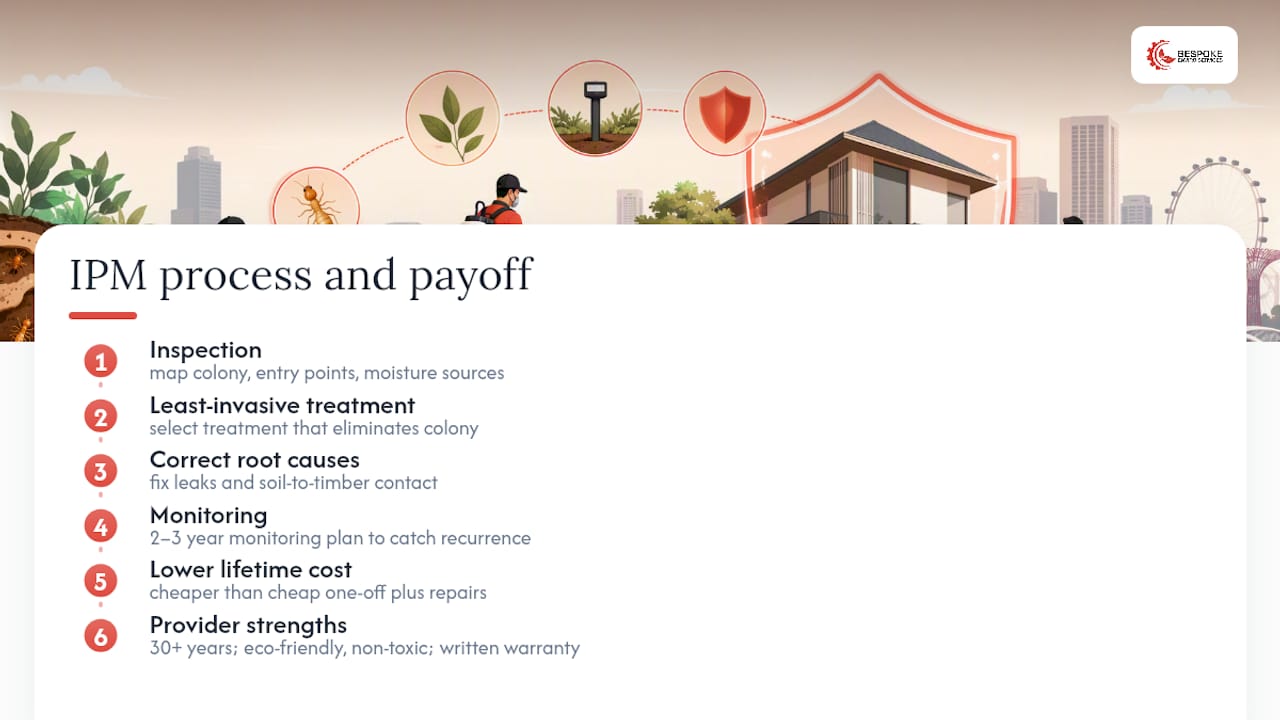
The standard industry pitch is to sell the cheapest treatment that closes the job. An IPM (integrated pest management) approach works differently: it starts with a thorough inspection to map the colony's extent, selects the least-invasive treatment that will actually eliminate it, and then schedules monitoring to catch any recurrence before it becomes structural damage.
In practice, that means a Bespoke-enviro inspection does not just confirm "yes, termites." It identifies entry points, moisture sources, and adjacent landscaping that are feeding the problem. A baiting system installed without addressing a leaking pipe or soil-to-timber contact at the foundation will face a harder fight than one installed after those conditions are corrected.
The cost logic is straightforward: a slightly higher upfront investment in a well-scoped treatment with a 2–3 year monitoring plan typically costs less in total than a cheap one-off treatment followed by a structural repair bill 18 months later. Bespoke-enviro brings over 30 years of local experience, an eco-friendly, non-toxic treatment emphasis, and written warranty practices to every termite job, whether it is a single HDB unit or a multi-building commercial property.
What on-site inspections actually reveal
The quotes that change most dramatically between phone estimate and final written proposal are the ones where the inspection turns up something the owner did not know about. Hidden mud galleries behind a kitchen cabinet. A subfloor void with active termite activity that was invisible from the living area. Garden beds running directly against the external wall, giving termites a soil bridge straight to the timber frame.
Drainage is another one. A slow leak under a bathroom or kitchen creates the moisture conditions termites prefer, and no treatment holds well if that moisture source stays in place. A good technician flags it in the inspection report and recommends fixing it before or alongside treatment.
If you are planning a renovation, coordinate the termite treatment first. Hacking walls or lifting floors during a reno often exposes active galleries that were not visible before, and treating them at that stage costs far less than treating after the new finishes are in place.
Bespoke-enviro: get a written quote from an NEA-licensed team
Thirty years of Singapore pest control experience means Bespoke-enviro has seen the full range: a contained HDB spot job that wraps in a morning, and a landed property with termite activity across three floors that needed a phased baiting and barrier program. The approach is the same either way: inspect thoroughly, quote in writing, treat the right problem, and back the work with a warranty.

What you get when you contact Bespoke-enviro: an on-site inspection by a licensed technician, a written itemized quote with treatment method, materials, visit schedule, and warranty terms, and an IPM-grounded recommendation that weighs long-term cost, not just the immediate job. No pressure to sign on the day.
Request a licensed termite inspection and get a written quote you can actually compare.
Sources
These Singapore-focused resources are worth reading before you book or compare quotes:
- Pest Control Cost in Singapore (2026) — Complete Price Guide | KakiList
- Pest Control Cost in Singapore 2025: Definitive Homejourney Price Guide | Homejourney Blog
- Termites: How to Identify and Control Them | US EPA
- Frequently Asked Questions about Termidor - ® - termiticide/insecticide
Use local price guides and NEA-licensed operators for Singapore-specific practice. Prices from overseas guides or unlicensed operators are not a reliable benchmark for what you should expect to pay here.