
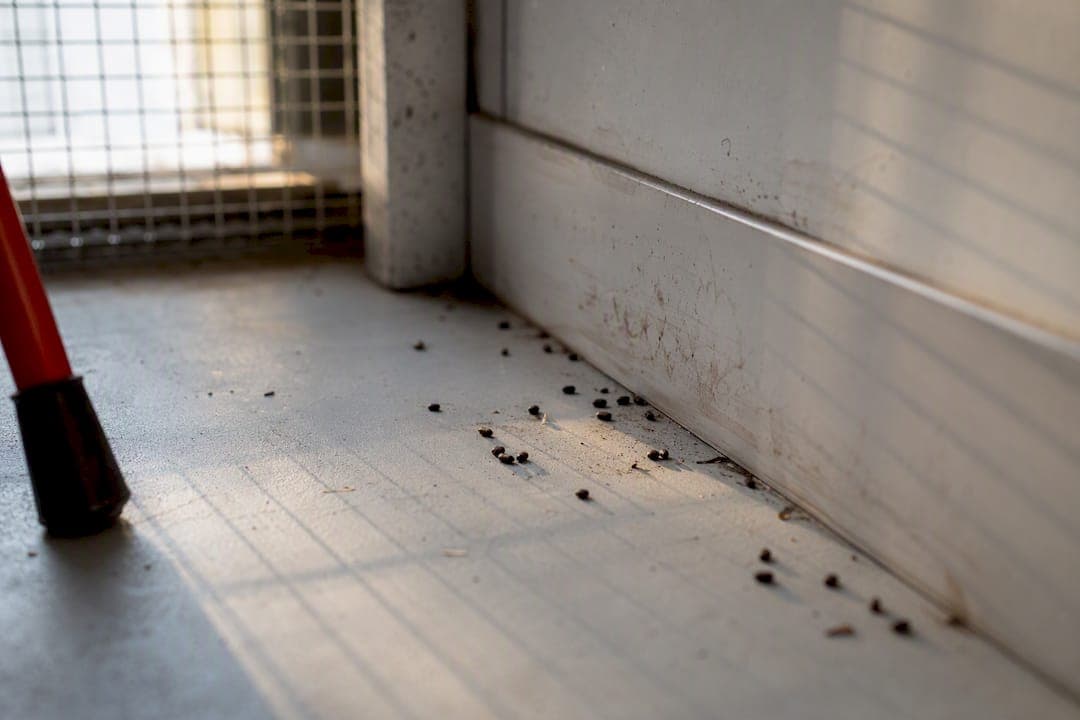
Fresh droppings, dark gnaw marks on wood or wiring, greasy rub marks along skirting boards, and scratching in the ceiling at night are the clearest rat infestation signs, and daytime sightings mean the problem is already advanced. If you spot any of this, don't sweep droppings dry, ventilate the room, secure exposed food, and photograph what you find before touching anything.
- Fresh, shiny droppings clustered near food or nesting sites
- Chewed wiring, wood, or plastic with light, rough edges
- Oily rub marks along walls or pipes
- Scratching, scurrying, or gnawing heard at night, or rats seen during the day
Pro Tip: If you see a rat in daylight or find chewed electrical cable, stop DIY cleanup and call a licensed pest control provider immediately. Daytime activity and wiring damage both point to an infestation too advanced for spot treatment.
Key Takeaways
Rat infestations reveal themselves through droppings, gnaw marks, rub marks, and nighttime noises, and the number of signs present indicates how urgent the response needs to be.
| Point | Details |
|---|---|
| Droppings confirm activity fast | Fresh, dark, shiny pellets around 9 to 14 millimeters long mean rats are active now, not just in the past. |
| Noise timing signals severity | Nighttime scratching is an early sign; daytime sightings usually mean a larger, established infestation. |
| Species changes inspection zones | Roof rats favor attics and rooflines, while Norway rats stick to ground-level burrows and perimeters. |
| Handle droppings safely | Ventilate, wear gloves and a mask, and avoid dry sweeping to limit disease exposure. |
| Multiple signs mean call a pro | Clustered evidence, chewed wiring, or daytime sightings call for a documented professional inspection. |
Table of Contents
- What Are the Clearest Rat Infestation Signs to Look For?
- Where Should You Check Inside Your Home or Building?
- What Outdoor Signs Point to a Nearby Rat Colony?
- Does It Matter Whether You Have Roof Rats or Norway Rats?
- When Should You Call a Professional Instead of Handling It Yourself?
- Why Hire a Trained Inspector for Rat Identification?
- Why Room-By-Room Checklists Beat Guesswork
- Sources
What Are the Clearest Rat Infestation Signs to Look For?
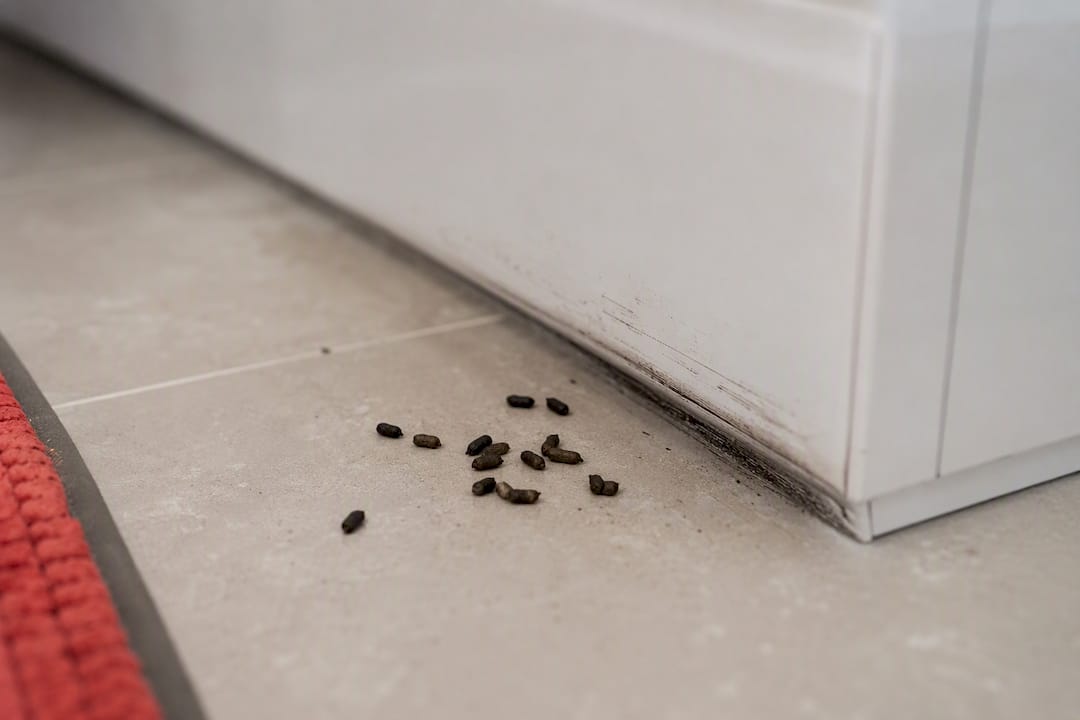
Rat droppings are the fastest way to confirm activity. They're dark, pellet shaped, and roughly 9 to 14 millimeters long, tapered at one or both ends like a grain of rice. Fresh droppings look dark, moist, and slightly shiny. Older ones fade to gray, dry out, and crumble when disturbed. That distinction matters because it tells you whether you're dealing with a current problem or leftover evidence from a past one.
A single rat can leave 30 to 50 droppings in a single day, which is why even one animal can make a kitchen or storeroom look heavily infested within a week.
Here's how to work through the rest of the evidence systematically:
- Check for gnaw marks. Rats chew wood, plastic, insulation, and electrical wiring to wear down their front teeth, which never stop growing. Fresh gnawing looks pale and rough. Older damage darkens and smooths out as dust and grime settle into it.
- Look for rub marks and runways. Repeated travel along the same route leaves greasy smears from the oils in rat fur, most often along skirting boards, pipes, and wall bases. A dark, consistent smudge at rat height along a wall is a strong sign of an established path, not a one-off visitor.
- Search for nests and burrows. Indoors, rats shred paper, fabric, or insulation into soft nesting material tucked behind appliances or in wall voids. Outdoors, look for burrows with smooth, well-worn entrances near foundations, woodpiles, or dense ground cover.
- Test for footprints and tail-drag marks. A light dusting of flour or talc left overnight in a suspect area is a simple way to confirm active movement. Fresh tracks in the morning, especially with a faint tail line between paw prints, confirm the space is being used.
- Note any unusual odor. A persistent, ammonia-like or musty smell in an enclosed space usually points to a sizable or long-running infestation, since concentrated urine builds up over time. That smell is different from the sharper, sweeter odor of a dead rodent decomposing in a wall or ceiling void.
- Listen for noises. Rats are mostly nocturnal, so scratching, scurrying, or gnawing sounds coming from the ceiling or wall cavities at night are a classic early warning. Hearing the same activity during the day usually means the population has grown large enough that nighttime spaces are no longer enough.
Distinguishing rat droppings from mouse droppings matters because it changes your response. Mouse droppings are smaller, thinner, and often more scattered, while rat droppings are larger and tend to cluster near feeding or nesting sites. Trap size, bait placement, and inspection focus all differ between the two, so correct identification saves time and wasted effort.
Where Should You Check Inside Your Home or Building?
Start where food and warmth attract rats first, then work toward the quiet, rarely disturbed voids they use to nest and travel.
- Kitchens and pantries: check under sinks, behind the fridge, inside cupboards, and along the base of cabinets for droppings or gnaw marks.
- Laundry areas: inspect behind and under washers and dryers, where warmth and rarely moved objects create ideal cover.
- Attics and ceiling spaces: listen for scratching in the ceiling at night and look for droppings, shredded insulation, or grease marks along rafters.
- Wall cavities and under-floor voids: these are harder to check yourself, but staining, gnaw marks near skirting, or persistent noise from one spot are good indicators.
Pro Tip: Use a flashlight to check dark corners rather than relying on ceiling lights, and photograph anything you find. Documentation helps a pest control technician assess severity faster during an inspection, and it protects you if you're a property manager reporting the issue to an owner. When handling any droppings yourself, wear gloves and a mask and avoid dry sweeping, since disturbing dried droppings can release airborne particles linked to disease.
What Outdoor Signs Point to a Nearby Rat Colony?
Exterior evidence often shows up before rats ever get inside, which makes the yard, bins, and building perimeter worth checking on a regular basis.
- Burrows with smooth, rounded entrances roughly 5 to 10 centimeters wide, usually near foundations, compost heaps, or dense shrubs
- Worn, flattened runs along fence lines or foundation walls where rats travel repeatedly
- Chewed bin lids, damaged compost, or gnawed vegetables and fruit in a garden
- Gaps around drains, utility pipes, vents, or service entry points where rats can squeeze through
If you find burrows or gnaw damage close to the foundation, treat it as a priority. That's usually where sealing entry points and a professional inspection do the most good before rats establish themselves inside.
Does It Matter Whether You Have Roof Rats or Norway Rats?
Yes, and it changes where you should look first. Roof rats are strong climbers that prefer elevated routes, so evidence tends to show up in attics, on top of cabinets, along rafters, or near trees that touch the roofline. Norway rats are burrowers, favoring ground-level activity around foundations, basements, garden beds, and drains.
- Roof rats: check rooflines, attic insulation, and any branches overhanging the house.
- Norway rats: check perimeter walls, ground-level burrows, and crawlspaces.
- Dropping shape and location offer a useful first clue, but a trained technician can confirm species with certainty, which shapes the exclusion and proofing plan that follows.
Knowing which species you're dealing with isn't just academic. It tells a pest control team whether to focus effort above head height or below ground, which speeds up both the inspection and the fix.
When Should You Call a Professional Instead of Handling It Yourself?
A few safe steps go a long way before help arrives, but there's a clear point where DIY stops being enough.
- Ventilate the space and wear gloves and a mask before disinfecting any area with droppings, and avoid dry sweeping, which can stir up contaminated dust.
- Secure or discard any exposed or contaminated food, and clean surfaces with a disinfectant rather than just water.
- Run a simple confirmation test, like the overnight flour or talc method, photograph what you find, and place isolated snap traps in high-traffic zones. These steps confirm activity but won't solve a larger infestation on their own.
- Call a professional if you see rats during the day, find chewed electrical cable, notice droppings in more than one room, or spot multiple sign types together. A proper inspection typically includes a full survey, evidence logging, and an integrated pest management plan rather than a single treatment.
Pro Tip: Keep a simple log with dates, locations, and photos of everything you find. It turns a vague "I think we have rats" into evidence a technician can act on immediately.
Why Hire a Trained Inspector for Rat Identification?
With more than 30 years in pest control, Bespoke-enviro built its approach around integrated pest management: inspection, exclusion, sanitation, and targeted, non-toxic treatments rather than one-off poisonings.
- Documented evidence mapping: droppings photographed, runways traced, burrow entrances measured
- Identified entry points with specific exclusion and proofing recommendations
- Follow-up monitoring to confirm the plan worked, not just a single visit
Professional inspectors prioritize evidence mapping, photographing droppings, mapping runs, measuring burrow entrances, and logging gnaw patterns, to build an exclusion-first plan that limits unnecessary pesticide use.
If you've spotted two or more signs from this list, schedule an inspection with Bespoke-enviro before the problem spreads into walls or ceilings you can't easily reach.
Pro Tip: A documented inspection report is worth keeping on file, especially for property managers who need a paper trail for owners, tenants, or future pest audits.
Why Room-By-Room Checklists Beat Guesswork
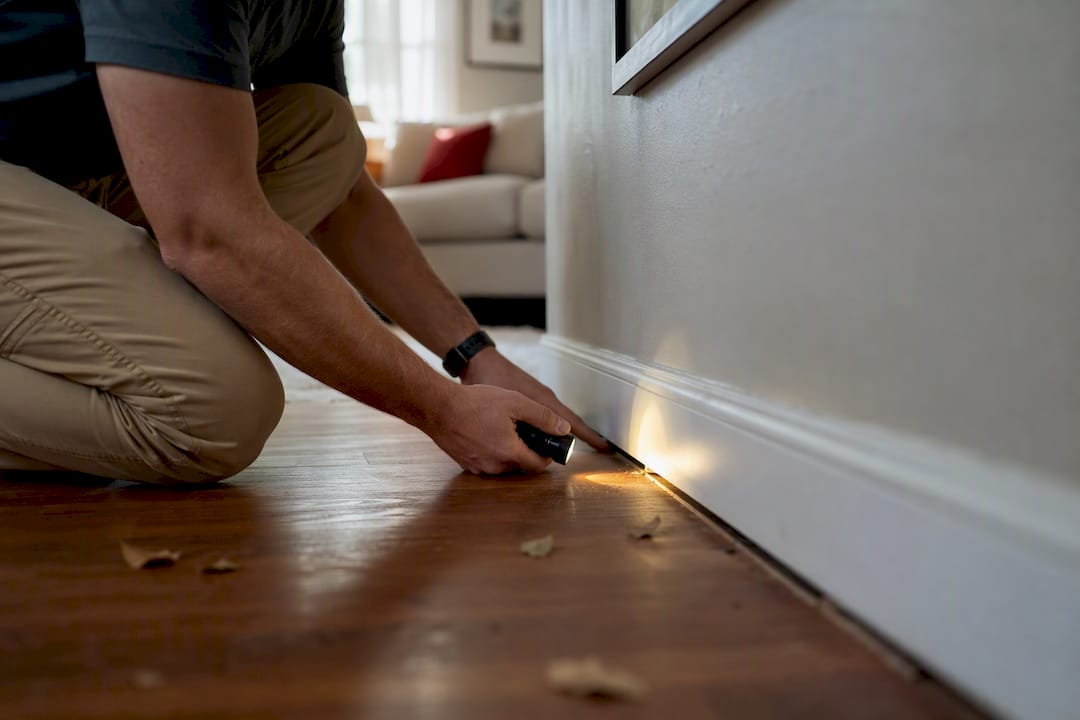
Most advice on rat signs treats every clue as equally urgent, and that's where it falls short. A single old dropping in a garage means something very different from fresh droppings clustered under a kitchen sink alongside grease marks and nighttime scratching. The conventional checklist approach misses that signs compound. One clue is a maybe. Three clues in the same zone within a week is a confirmed, active infestation.
What residents and property managers should prioritize first isn't eliminating every possible entry point at once. It's narrowing down which species you're dealing with, since that single decision determines whether you're searching the attic or the foundation. Chasing ground-level burrows when a roof rat has already moved into the ceiling void wastes time you don't have, especially with wiring damage on the table.
The safety guidance around droppings gets treated as an afterthought in most consumer content, but disease risk from dried droppings is real and immediate, not a secondary concern behind trap placement. Handle that piece correctly first, then move to identification and exclusion.
— Bespoke-Enviro Services
Sources
- Surveillance and Management of Common Structure-Invading Rats | NC State Extension
- Identify and Prevent Rodent Infestations — EPA
- Recognizing Signs of Rat Infestation — Rentokil Singapore
- Rodents | PestWorld