
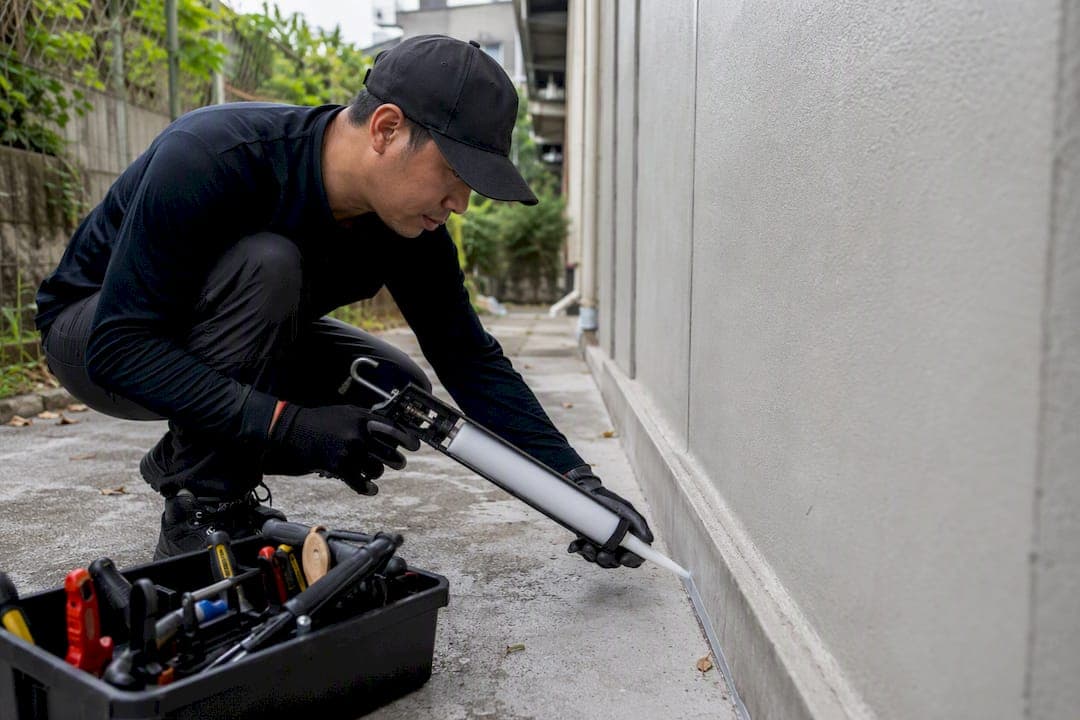
The fastest, most reliable way to cut leptospirosis risk from rats is to combine structural exclusion with habitat reduction and professional integrated pest management. If your property already shows droppings, burrows, or repeated sightings, the next move is straightforward: bring in a licensed IPM contractor for an inspection before the problem compounds. While you wait, wear waterproof gloves and disinfect surfaces with a 1:10 bleach solution to limit exposure.
TL;DR:
- Sealing entry points and removing attractants, such as refuse and dense vegetation, are essential for preventing rat infestations that carry leptospirosis risk.
- Environmental controls paired with targeted temporary measures are more effective for long-term reduction of rat populations and bacteria than chemical control alone.
- Professional IPM services provide verified inspection, exclusion, and monitoring processes that outperform DIY methods and deliver lasting results.
- Personal protective measures, including PPE and surface disinfection, can limit immediate exposure while waiting for professional intervention.
- Regular maintenance, community coordination, and addressing infrastructure issues like poor drainage reduce the likelihood of reinfestation and disease transmission.
Table of Contents
- How Rat Infestations Create Leptospirosis Risk
- Prevention Pillars: Exclusion and Habitat Reduction
- What Professional IPM Rodent Control Actually Delivers
- Safe Interim Steps Before the Professionals Arrive
- When to Call a Professional Instead of Handling It Yourself
- Maintenance and Community Measures That Keep Risk Low
- How Does Leptospirosis Spread From Rats to Humans?
- What Are the Symptoms and Incubation Period of Leptospirosis?
- How Is Leptospirosis Diagnosed?
- What Treatment Options and Outlook Exist for Leptospirosis?
- What Personal Protective Measures Reduce Individual Risk?
- Who Faces the Highest Risk From Rodent-Borne Leptospirosis?
- A Practitioner's View on Prevention That Actually Holds
- Book an IPM Inspection With Bespoke-Enviro Services
- Sources
How Rat Infestations Create Leptospirosis Risk
Rats shed Leptospira bacteria in their urine, and that urine doesn't stay contained to where the rat travels. It runs into soil, pools near drains, seeps into stored materials, and collects in standing water after rain, where the bacteria can survive for weeks under the right conditions. Anyone who then handles contaminated soil, wades through flooded areas, or touches surfaces without protection faces exposure. This is why leptospirosis from rats is really a property and environmental management problem before it's anything else.
Urban rodent populations that matter most for this risk are typically Norway rats and roof rats, both of which thrive wherever sewers, exposed refuse, and cluttered storage give them cover and food. A study of an urban slum community found household rat infestation running around 45.9%, with risk climbing sharply near dilapidated fences, damaged walls, and proximity to open sewers. The pattern holds across most dense urban settings:
- Open or poorly maintained sewer lines near a property boundary
- Refuse left in unsecured bins or loose bags overnight
- Cluttered storage areas that give rodents cover to nest and breed
- Standing water from poor drainage after rainfall
Property condition, in other words, predicts infestation almost as reliably as location does.
Prevention Pillars: Exclusion and Habitat Reduction
Two measures do most of the work: sealing every point of entry and removing what attracts rats in the first place. Neither works well alone. A building sealed tight but surrounded by open refuse will still draw rodents to the perimeter, and a spotless yard with gaps in the foundation still invites them indoors.
Sealing means checking tolerances most owners underestimate. Rats can squeeze through gaps as small as 0.5 to 1 centimeter, roughly the width of a coin, so any inspection needs to look past obvious holes to hairline gaps around pipes, vents, and utility penetrations. Habitat reduction covers the rest of the picture:
- Store refuse in secured, lidded bins and keep collection schedules consistent
- Seal dry food storage in rodent-proof containers, especially in kitchens, stockrooms, and loading areas
- Fix drainage issues and eliminate standing water around the building envelope
- Clear clutter, stacked materials, and dense vegetation that create harborage near walls
Reactive rodenticide use alone tends to underperform because it treats the symptom, not the access. Ecological modeling on rodent-borne leptospirosis found that permanent environmental controls paired with targeted temporary measures reduce both rodent populations and environmental bacterial load more durably than chemical control by itself. Rodenticide resistance compounds the problem: field studies have documented resistant rodent populations that make chemical-only strategies unreliable without exclusion and sanitation behind them.
Pro Tip: Start your inspection at the perimeter, not the interior. Sewer connections, refuse zones, and foundation gaps along the building's exterior are where most infestations originate, and fixing them first cuts off the source before you chase symptoms inside.
What Professional IPM Rodent Control Actually Delivers
A qualified integrated pest management contractor gives you something a bait trap in the corner never will: a documented, verifiable process you can compare across estimates and hold a vendor accountable to. Here's what a proper engagement includes.
Inspection comes first. A technician maps active rodent signs, identifies entry points, and flags high-risk infrastructure like drains, refuse areas, and utility penetrations that owners often miss. Exclusion work follows, closing what the inspection found:
- Wire mesh and hardware cloth fitted over vents, gaps, and utility openings
- Silicone sealant or mortar patching for foundation cracks and wall penetrations
- Pipe collars fitted where plumbing or cabling passes through exterior walls
- Door sweeps and threshold seals installed on ground-level entries
Where activity is already established, contractors add targeted controls: monitoring tunnels and tracking powders to map hotspots, and tamper-proof bait stations or trapping placed only where exclusion alone won't resolve existing populations fast enough. Practitioner guidance increasingly favors this layered approach over chemical-only treatment, since moving beyond reactive rodenticide use toward exclusion and monitoring produces results that actually hold.
Expect three service formats depending on your situation: one-off remediation for an active infestation, a focused exclusion job to close specific vulnerabilities, or an ongoing maintenance contract with scheduled rechecks and written activity logs. That documentation matters. It's how you prove the problem is actually resolved, not just quieter for a few weeks.
Safe Interim Steps Before the Professionals Arrive
While you're waiting for a contractor, a few precautions limit exposure for your staff or family without requiring specialized equipment.
- Wear waterproof gloves, boots, and eye protection in any area with signs of rodent activity, and remove PPE immediately if it becomes soiled or torn.
- Disinfect suspected contaminated surfaces with a household bleach solution mixed at one part bleach to ten parts water, applied in a well-ventilated space and never mixed with other cleaning chemicals.
- Isolate the affected area, avoid dry sweeping (which can aerosolize contaminated dust), and keep food, waste, and pets away until the space is cleaned and cleared.
This guidance on PPE and bleach dilution reflects standard operational protocols used by public-health and pest-management teams handling suspected rodent contamination.
Statistic Callout: Coordinated rodent control campaigns in Gujarat, India, produced reductions in disease prevalence of roughly 82 to 83 percent during active campaign years, a reminder that consistent, sustained action outperforms one-time cleanup every time.
When to Call a Professional Instead of Handling It Yourself
A handful of situations should trigger a call to a licensed contractor rather than another round of DIY traps.
- Repeated sightings or fresh droppings appearing in food storage or preparation areas
- Burrows or gnaw marks near the foundation, especially after a first attempt at sealing has failed
- Contamination of stored inventory, raw materials, or stock in a commercial setting
- Flooding or standing water that may have mixed with rodent waste
- Any staff exposure incident involving direct contact with rodent urine or droppings
When you engage a contractor, ask for a written inspection report, a defined exclusion scope, specific sanitation actions, and a monitoring schedule with documented rechecks. If a quote doesn't include all four, keep looking.
Maintenance and Community Measures That Keep Risk Low
Exclusion work only holds if it's maintained. Build these into a recurring schedule rather than a one-time fix:
- Scheduled property inspections, at minimum quarterly for commercial sites
- Bins secured and collection days kept consistent
- Vegetation trimmed back from walls and clutter removed from storage areas
- Periodic rechecks of seals around pipes, vents, and doors
Coordination beyond your property line matters just as much. Drainage and waste removal issues on adjacent land or public infrastructure can undo good work inside your own fence line, so liaising with building management or local sanitation authorities on drainage clearance pays off. The Gujarat campaigns showed exactly this dynamic: incidence dropped sharply during active coordinated control efforts but climbed back once the campaigns stopped, underscoring that sustained, multi-stakeholder effort beats a single cleanup.
How Does Leptospirosis Spread From Rats to Humans?
Understanding the transmission pathway explains why sealing and sanitation work as prevention. Leptospira bacteria live in the kidneys of infected rats and pass out continuously through their urine, without making the rat visibly sick. That urine contaminates soil, water, and surfaces wherever rats travel, feed, or nest.
Humans typically pick up the bacteria through indirect contact rather than direct contact with a rat. The organism enters through cuts, scrapes, or broken skin, through mucous membranes in the eyes, nose, or mouth, or occasionally through prolonged soaking of skin in contaminated water. Common exposure scenarios include wading through floodwater that has mixed with rodent-contaminated runoff, handling soil or debris in an infested area without gloves, or cleaning up rodent droppings and nesting material without protective equipment.
This is also why leptospirosis in urban areas tracks so closely with infrastructure problems. Flooding events that mix stormwater with sewage and rodent waste create ideal transmission conditions across a wide area at once, which is part of why leptospirosis outbreaks in humans so often follow monsoon seasons or major flooding in cities with aging drainage systems. The bacteria can survive in warm, stagnant water for weeks, meaning the risk window extends well past the flood itself. Occupations and activities that involve regular water or soil contact carry the highest cumulative exposure, which later sections cover in more detail.
What Are the Symptoms and Incubation Period of Leptospirosis?
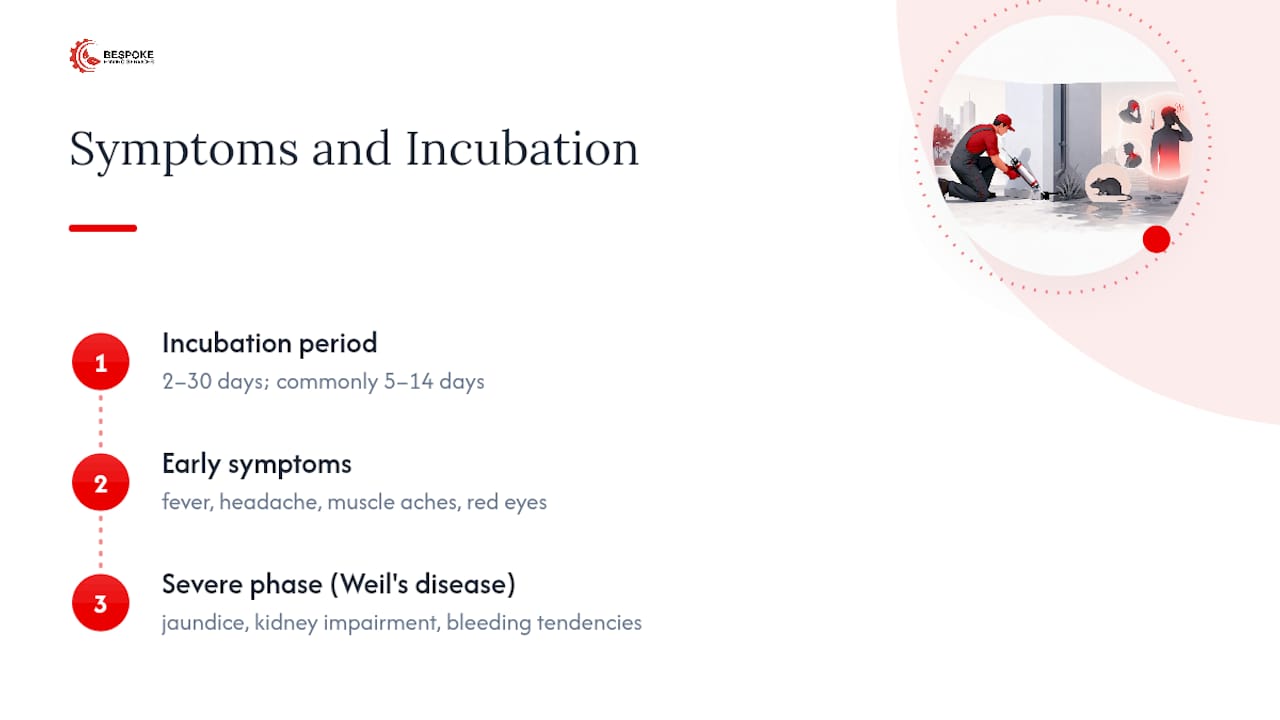
The incubation period for leptospirosis typically runs from 2 to 30 days after exposure, though most cases become symptomatic within 5 to 14 days. That delay is part of why so many cases get misattributed to something else entirely, since the early presentation looks a lot like a routine viral illness.
Initial symptoms often include sudden fever, headache, muscle aches (especially in the calves), chills, and red eyes. Some people also experience nausea, vomiting, abdominal pain, or a skin rash during this first phase. For many, the illness resolves on its own after this stage, and they may never know what caused it.
A smaller subset of cases progress to a more severe second phase, sometimes called Weil's disease, which can involve jaundice, kidney impairment, and bleeding tendencies. This progression usually develops after a brief period of apparent improvement, which makes it easy to miss if someone assumes they're already recovering. Because rats and leptospirosis symptoms overlap so heavily with flu, dengue, and other common illnesses in many regions, self-diagnosis is unreliable, and anyone with a plausible rodent exposure history who develops fever and muscle pain should mention that exposure to a healthcare provider directly rather than waiting it out.
How Is Leptospirosis Diagnosed?
Diagnosis relies on laboratory testing rather than symptoms alone, since the early presentation mimics so many other illnesses. Healthcare providers typically start with a detailed exposure history, asking about recent contact with floodwater, rodent-infested areas, or occupational exposure to soil and water.
Blood tests form the core of confirmation. The microscopic agglutination test (MAT) remains a reference standard in many settings, though it requires paired samples taken days apart to confirm rising antibody levels. Faster options include enzyme-linked immunosorbent assays (ELISA) for detecting antibodies, and polymerase chain reaction (PCR) testing, which can identify the bacteria's genetic material earlier in the illness, before antibodies have fully developed. Urine testing can also detect the organism during certain phases of infection.
Timing matters considerably here. Testing too early in the illness can produce a false negative before antibody levels rise, which is why providers often request follow-up testing if initial results don't match the clinical picture. Basic blood work, including liver and kidney function panels, also helps gauge severity and guide how aggressively the case needs to be managed.
What Treatment Options and Outlook Exist for Leptospirosis?
Treatment centers on antibiotics, and starting them early makes a measurable difference in outcome. Doxycycline and penicillin are the most commonly used options for mild to moderate cases, while more severe presentations requiring hospitalization often call for intravenous penicillin or ceftriaxone.
Supportive care matters just as much as the antibiotic choice itself. For milder cases, that means rest, fluids, and fever management at home. For the more severe presentations involving kidney or liver complications, hospitalization allows for closer monitoring, intravenous fluids, and in some cases dialysis if kidney function deteriorates significantly.
Prognosis depends heavily on how early treatment starts. Most people who receive prompt antibiotic treatment recover fully within a few weeks with no lasting complications. Cases that progress to the severe phase before treatment begins carry a meaningfully higher risk of organ damage and, in the most serious presentations, death. This gap between early and delayed treatment is the strongest argument for taking any plausible rodent-urine exposure seriously enough to see a doctor rather than waiting to see if symptoms pass on their own.
What Personal Protective Measures Reduce Individual Risk?
Beyond the property-wide exclusion and sanitation measures already covered, individuals working or living around rodent activity can take direct steps to lower their own exposure.
Covering cuts, scrapes, and any broken skin with waterproof bandages before entering an area with known rodent activity closes one of the most common entry routes for the bacteria. Wearing waterproof boots and gloves when handling soil, debris, or standing water in infested areas adds another layer, and washing hands thoroughly with soap after any contact with soil, water, or surfaces in a rodent-prone area matters more than most people assume.
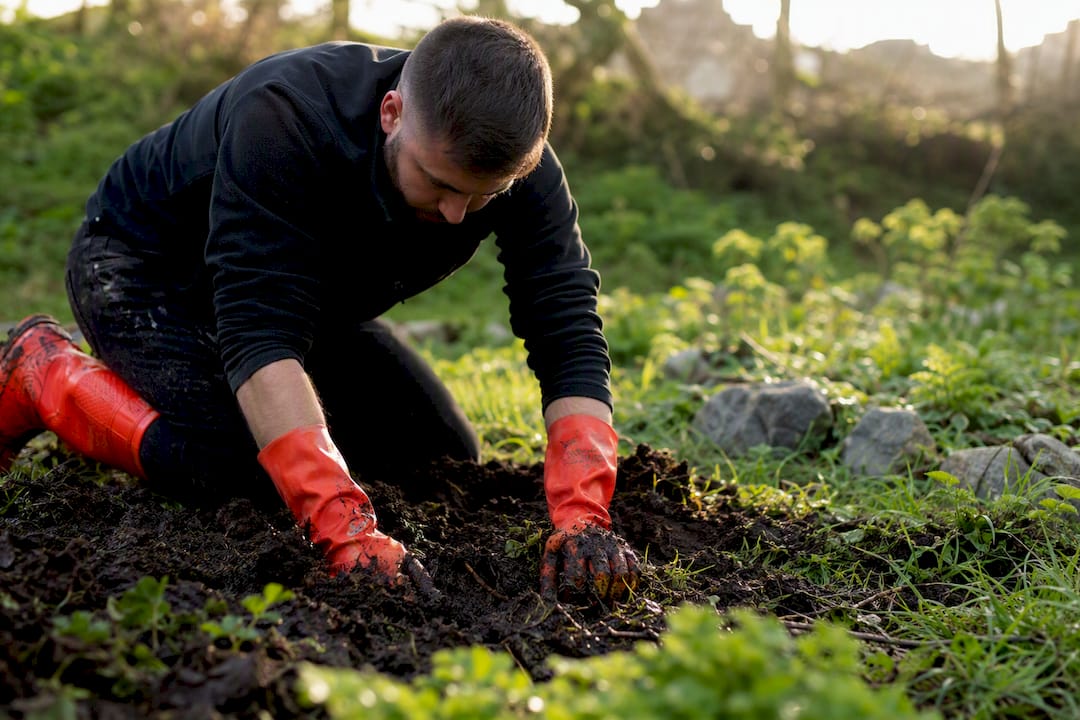
Avoiding contact with floodwater when possible, and showering promptly after unavoidable exposure, cuts down the window bacteria have to find an entry point. People who work with soil or water regularly, whether in facilities maintenance, landscaping, or construction, benefit from treating these habits as routine rather than occasional precautions. These leptospirosis prevention tips work best layered on top of the structural and sanitation measures already in place, not as a substitute for them. A property with proper rodent exclusion and clean drainage dramatically reduces the number of situations where personal protective steps are even necessary.
Who Faces the Highest Risk From Rodent-Borne Leptospirosis?
Certain occupations and environments carry disproportionate exposure. Agricultural workers, sewer and drainage maintenance staff, veterinarians, abattoir workers, and construction crews working in flood-prone or older infrastructure sites all face elevated contact with contaminated soil and water as a routine part of their jobs.
Property types matter as much as job titles. Buildings near open sewers, informal settlements with limited waste infrastructure, and older commercial properties with structural deficiencies show consistently higher infestation rates, which tracks directly with the elevated leptospirosis risk documented in urban slum community studies. Flood-prone regions add a seasonal spike in risk that coincides with monsoon periods or heavy rainfall events.
Recreational exposure counts too. Swimming, wading, or working in freshwater lakes, rivers, or floodwater in areas with known rodent activity puts anyone at elevated risk, not just people in high-exposure occupations. For property managers, this risk profile is exactly why leptospirosis transmission risks belong on a facilities checklist alongside fire safety and structural maintenance, not as an afterthought handled only after a visible infestation appears.
A Practitioner's View on Prevention That Actually Holds
Bespoke-Enviro Services has spent over 30 years watching which rodent-control approaches hold up and which ones just look busy. The pattern is consistent: sealing entry points alongside a fixed waste-collection schedule has stopped recurring infestations at commercial properties where bait stations alone never did. The measures that last are the ones property teams keep up with themselves, not just the ones a contractor performs once and leaves behind.
— Bespoke-Enviro Services
Book an IPM Inspection With Bespoke-Enviro Services
Bespoke-Enviro Services builds every rodent-control engagement around the same two pillars this guide covers: structural exclusion and habitat reduction, backed by ongoing monitoring rather than a single visit and a bag of bait. Our technicians inspect your property for entry points and high-risk infrastructure, seal what needs sealing, and coordinate sanitation improvements like refuse handling and drainage fixes that keep populations from coming back.

When you book with Bespoke Enviro Services, expect a documented inspection report, a defined exclusion scope with materials and timeline, PPE and sanitized cleaning protocols applied by our technicians, and a follow-up monitoring schedule with written activity logs you can reference later. Whether your property needs a one-off remediation, a focused exclusion job, or a scheduled maintenance contract, our IPM-based approach is built to hold up over years, not just weeks. Contact us through our company site to schedule an inspection or discuss a maintenance contract tailored to your property's risk profile.
Sources
For teams verifying the evidence behind these recommendations: the urban slum infestation study documents environmental predictors of rat infestation, the rodent carriage and resistance research covers chemical control limitations, the ecological modeling study supports combined permanent and temporary controls, and the Gujarat campaign report shows outcomes from coordinated community control. These sources support facilities decisions and are not a substitute for medical guidance.